The Ferrari Luce Triggers an Identification Disaster

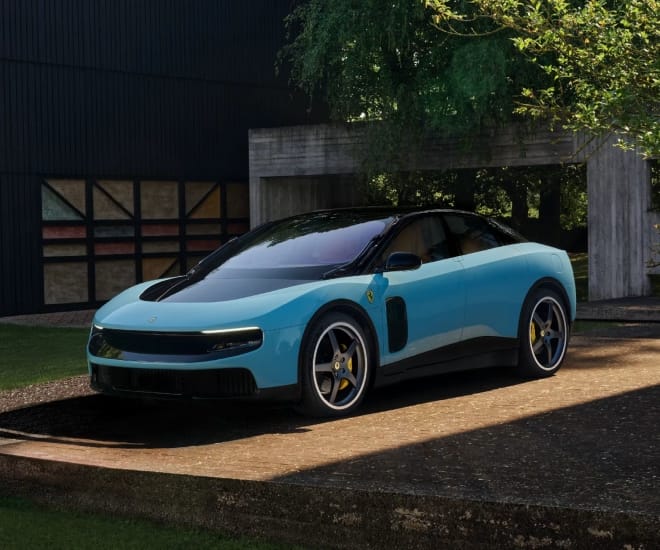
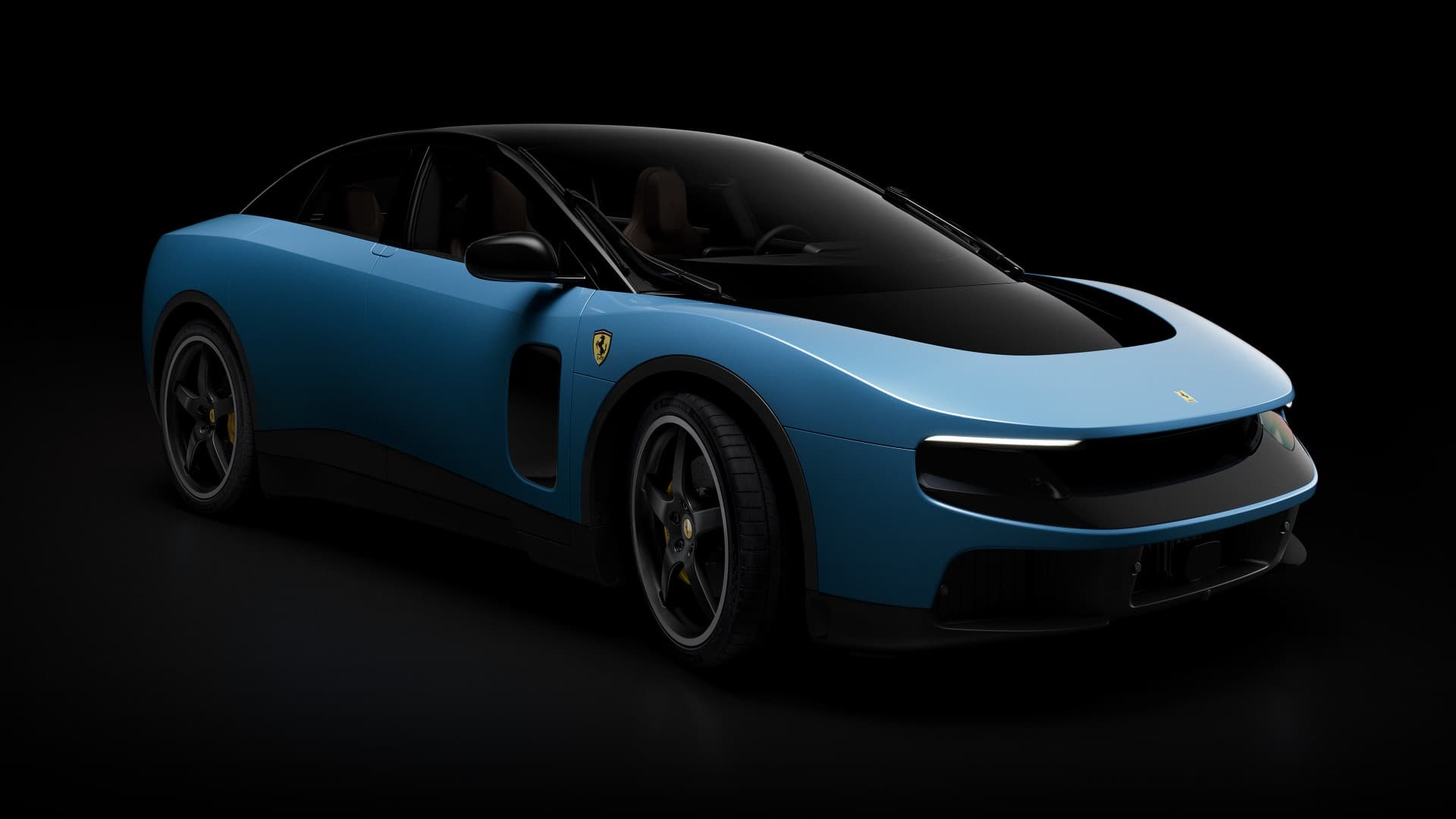
Ferrari’s first electrical car, the Luce — immediately translated as “gentle” in Italian — has sparked a backlash for what many see as a rupture within the model’s emotional and aesthetic continuity. Ferrari’s shares reportedly fell by as much as 10 p.c after its unveiling, whereas social media noticed memes, comparisons and outright rejection from Ferrari traditionalists. Reasonably than Ferrari’s enterprise into Electrical Automobiles (EVs) itself, the backlash seems to stem from design critique and, extra essentially, from questions over whether or not the automotive nonetheless “appears like a Ferrari”. Former chairman Luca Cordero di Montezemolo warned that the mannequin dangers “destroying a legend” — a sentiment that captures Ferrari’s present id fault line.
Learn Extra: Ferrari Reveals New Emblem for its seventy fifth Anniversary
The Controversy
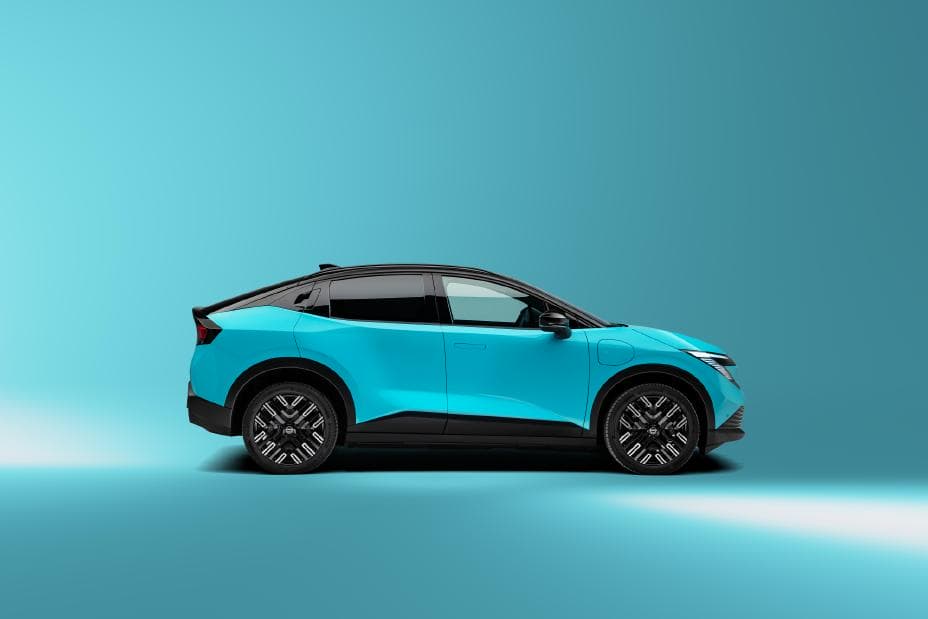
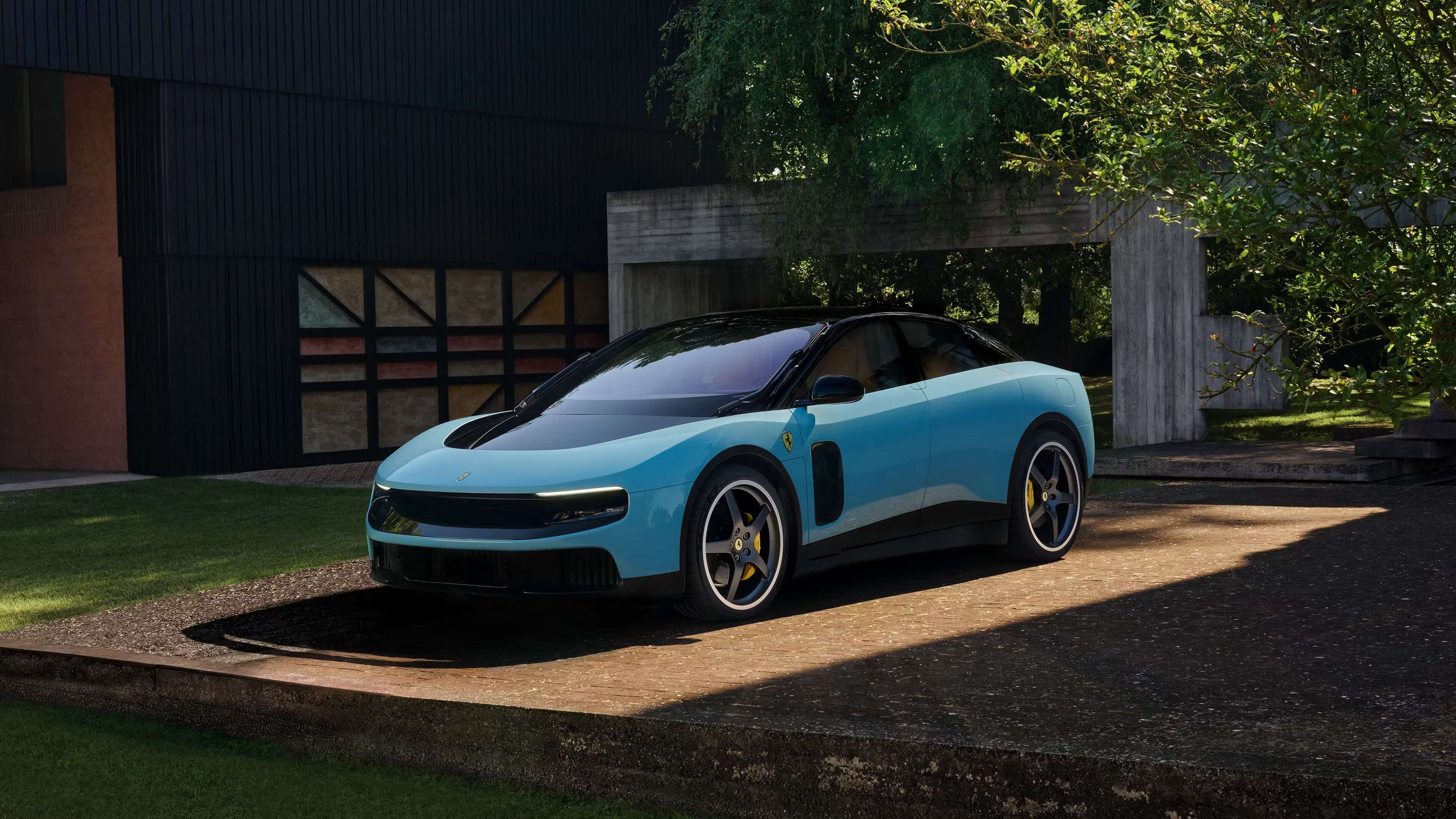
Nissan Leaf (left) and the Ferrari Luce (proper)
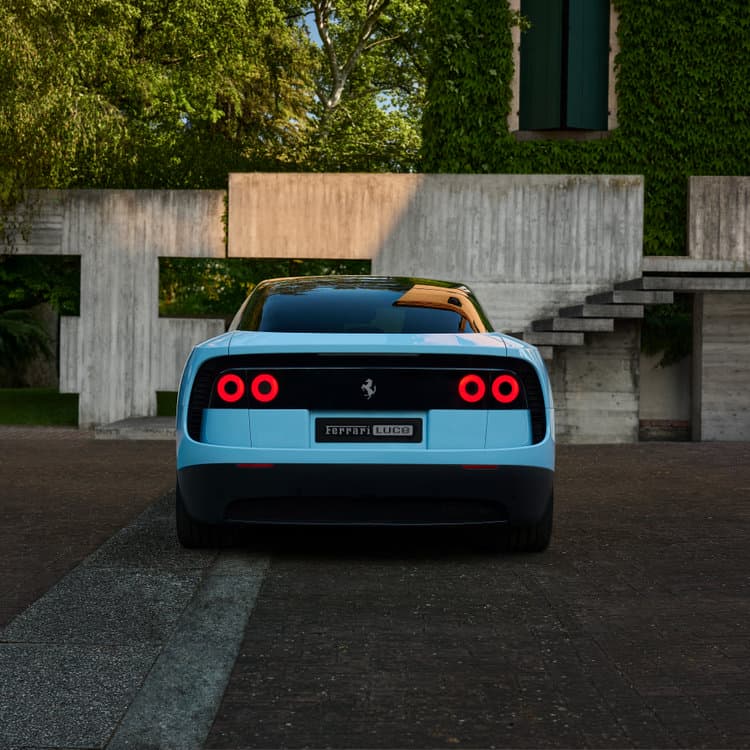
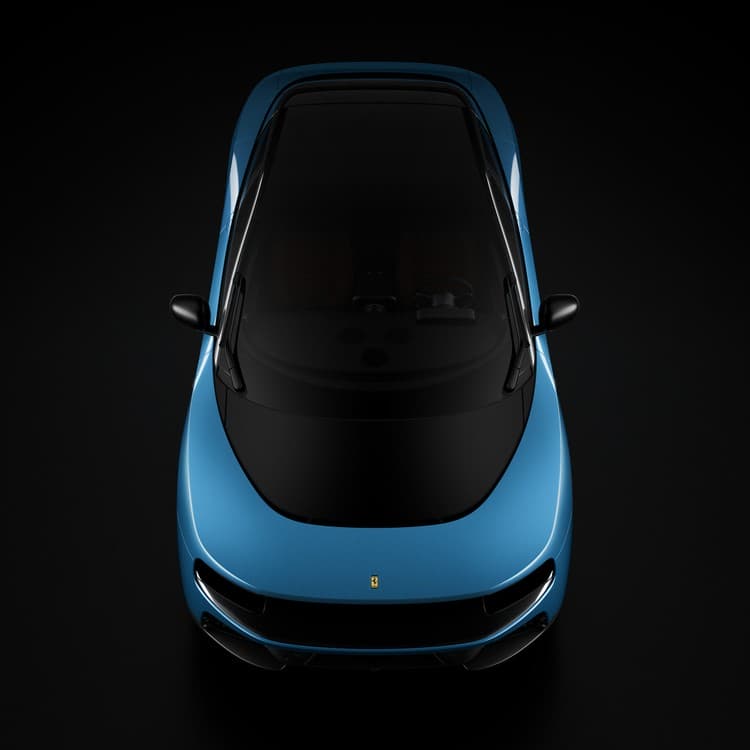
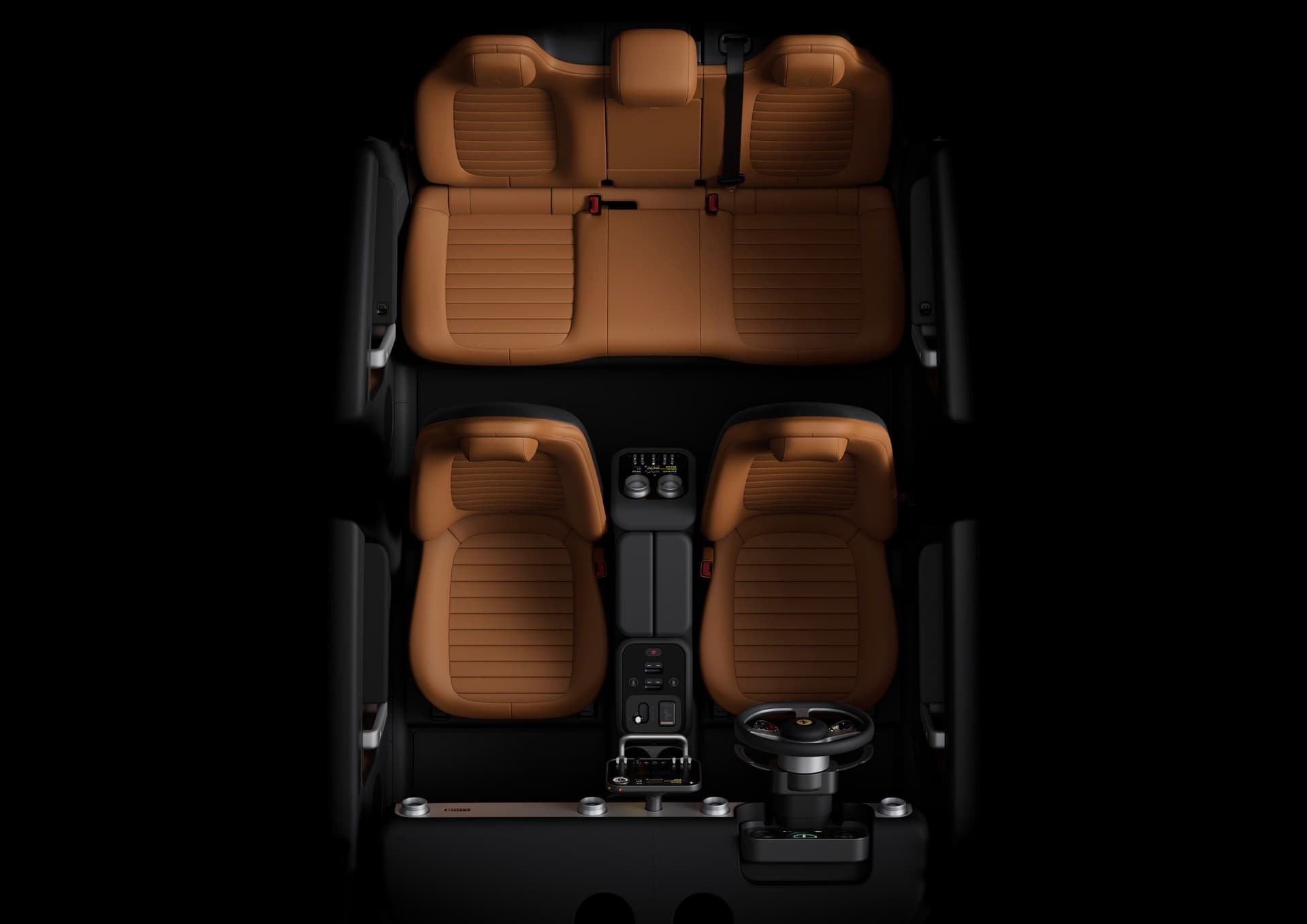
The pastel blue launch color triggered fast backlash on-line, the place it was repeatedly in comparison with the Nissan Leaf — a mass-market EV that sits on the reverse finish of Ferrari’s pricing vary. For a model that trades on visible aggression and fast recognisability, the affiliation lower immediately towards expectation. Reasonably than studying as a bespoke Ferrari id, critics framed the imagery as flattened and commodity-like, nearer to mainstream EV design language than Ferrari’s established visible code. The Luce introduces a four-door format, a five-seat cabin and a design language formed by product and interface considering quite than conventional automotive proportion.
Moreover, Ferrari has at all times policed its personal visible id tightly, to the purpose of imposing an off-the-cuff “blacklist” of modifications that conflict with the model’s codes — a stance typically cited in circumstances like Paris Hilton’s customized pink Ferrari, which turned a primary instance of how far the marque is keen to go to guard its aesthetic authority.
Learn Extra: Jaguar’s Rebranding Causes A International Stir
Identification Erosion
The Luce backlash in the end speaks to a query of id erosion. Ferrari has spent years positioning itself for an electrical transition, however in doing so it seems to have drifted away from the very traits that made it fascinating within the first place: the mechanical crescendo of its combustion soundtrack and aerodynamic design, the fixed stress of energy supply on the fringe of grip, the deliberate instability that saved the driving force engaged and the visceral sense of threat encoded in its combustion-era engineering language. Critics argue that the result’s a car that performs on the highest technical stage, but feels emotionally indifferent from the Ferrari mythos.
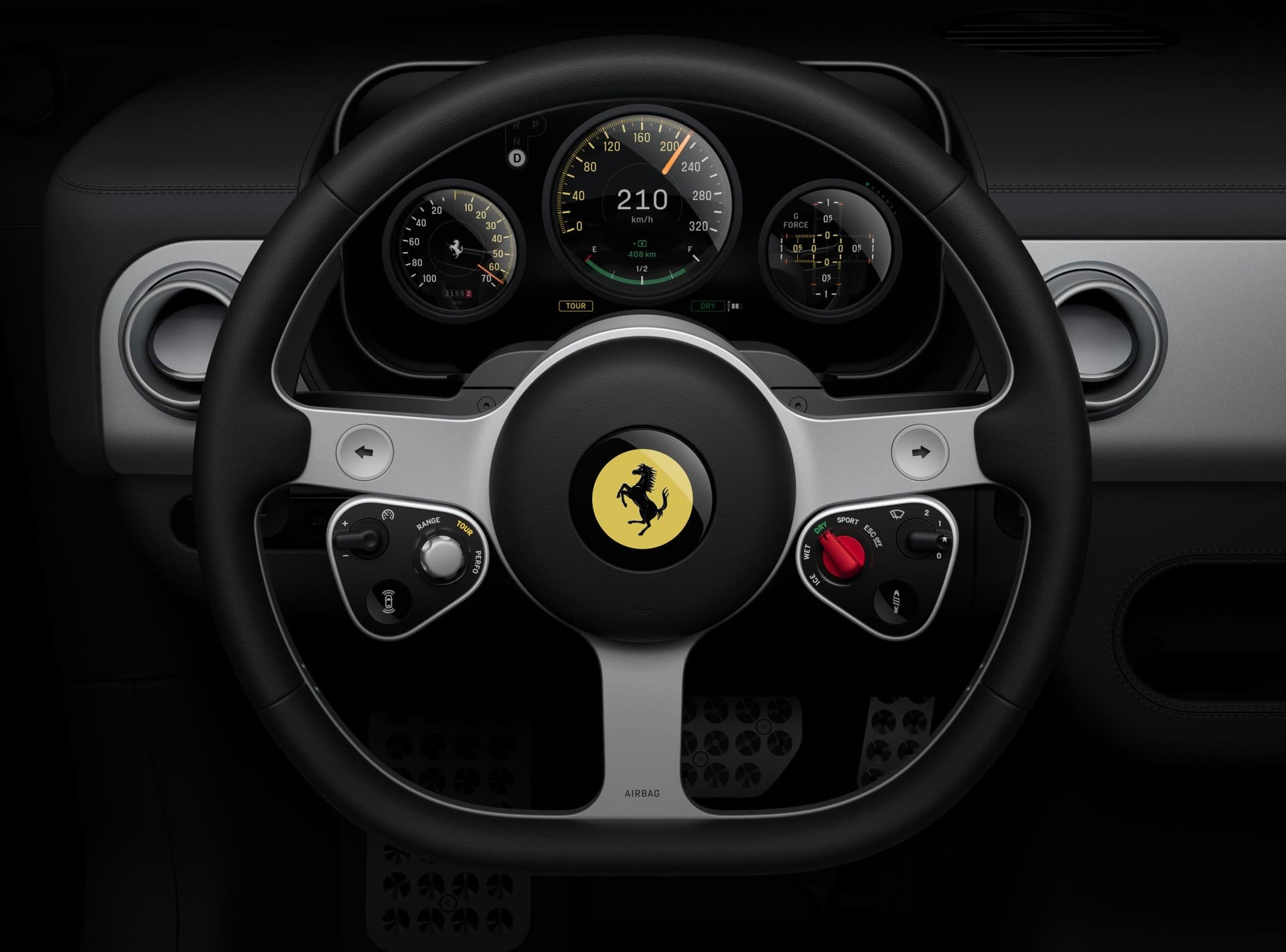
A typical Ferrari has a chassis behaviour that calls for fixed correction on the restrict; the expertise is unstable by design and the driving force is at all times managing threat. The Luce removes that whole suggestions loop. It’s silent and digitally mediated, constructed round stability and management, leading to a automotive that performs at an excessive technical stage however removes the bodily stress that traditionally outlined Ferrari possession. The place earlier Ferraris urged pace as hazard — some perceived the Luce’s pace as a sanitised and managed expression of efficiency.
Learn Extra: Opinion: Tesla is Committing Automotive Suicide
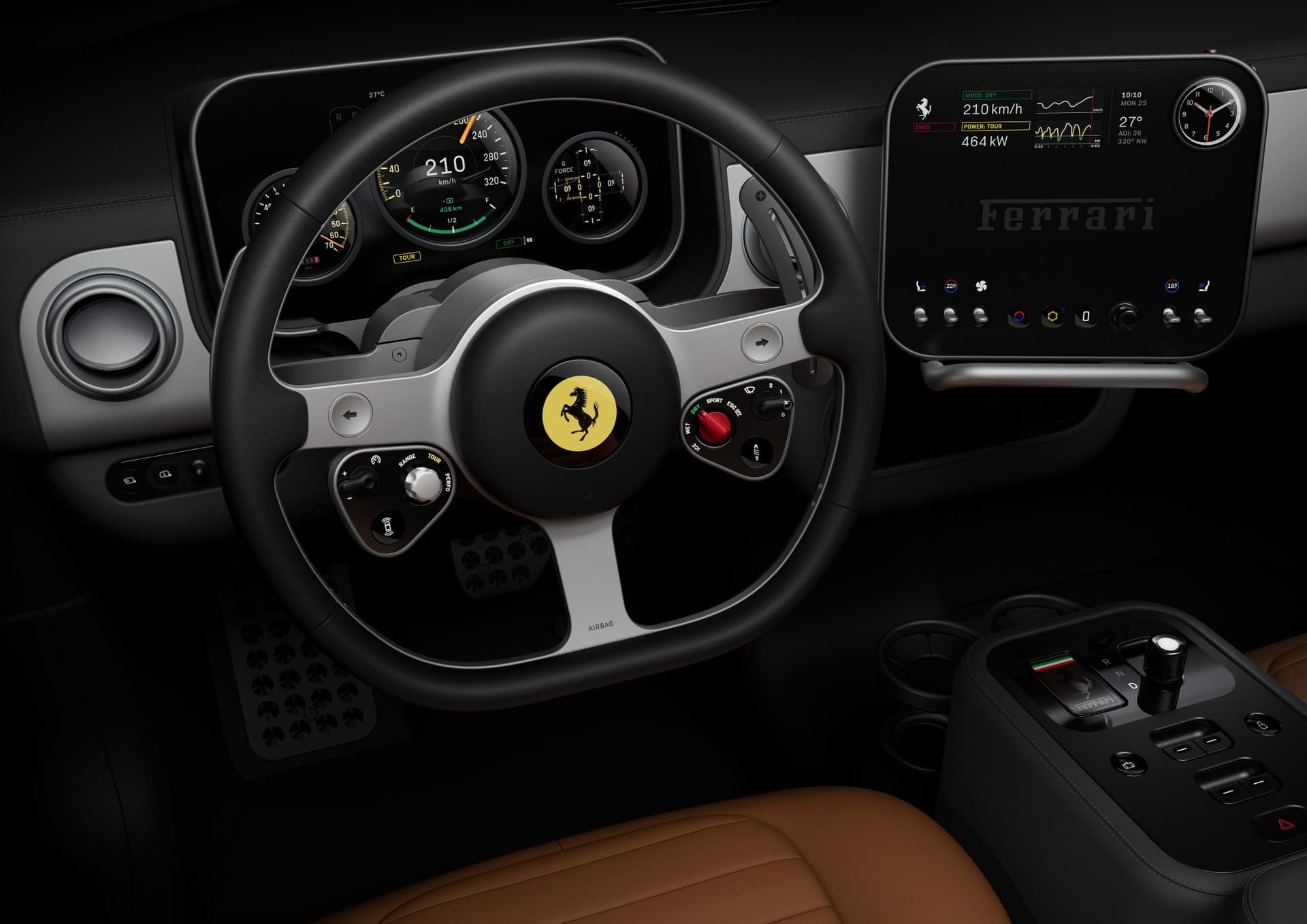
Competing with Chinese language EVs Was a Strategic Misstep
Ferrari’s electrification technique can also be formed by the realities of China, now essentially the most aggressive and fast-moving marketplace for premium EVs. Not like Europe, the place electrification remains to be layered onto current combustion-era expectations, China has already normalised electrical efficiency because the baseline. Patrons within the ultra-luxury section anticipate excessive output, superior digital techniques, speedy charging functionality and fixed software program iteration, typically at considerably cheaper price factors than European equivalents.
Home producers have accelerated this shift. Manufacturers comparable to BYD and different Chinese language EV makers have moved into efficiency territory as soon as reserved for European supercars, providing excessive acceleration, experimental options and extremely specified interiors that compete immediately with established luxurious marques. On the identical time, worth compression pushed by scale, provide chain integration and state-backed industrial capability has pressured international producers to rethink how premium positioning is maintained in an surroundings the place technological parity is not uncommon. The dimensions, pricing and design route of the Luce sign an effort to protect exclusivity in a market the place electrification is already saturated and below sustained strain.
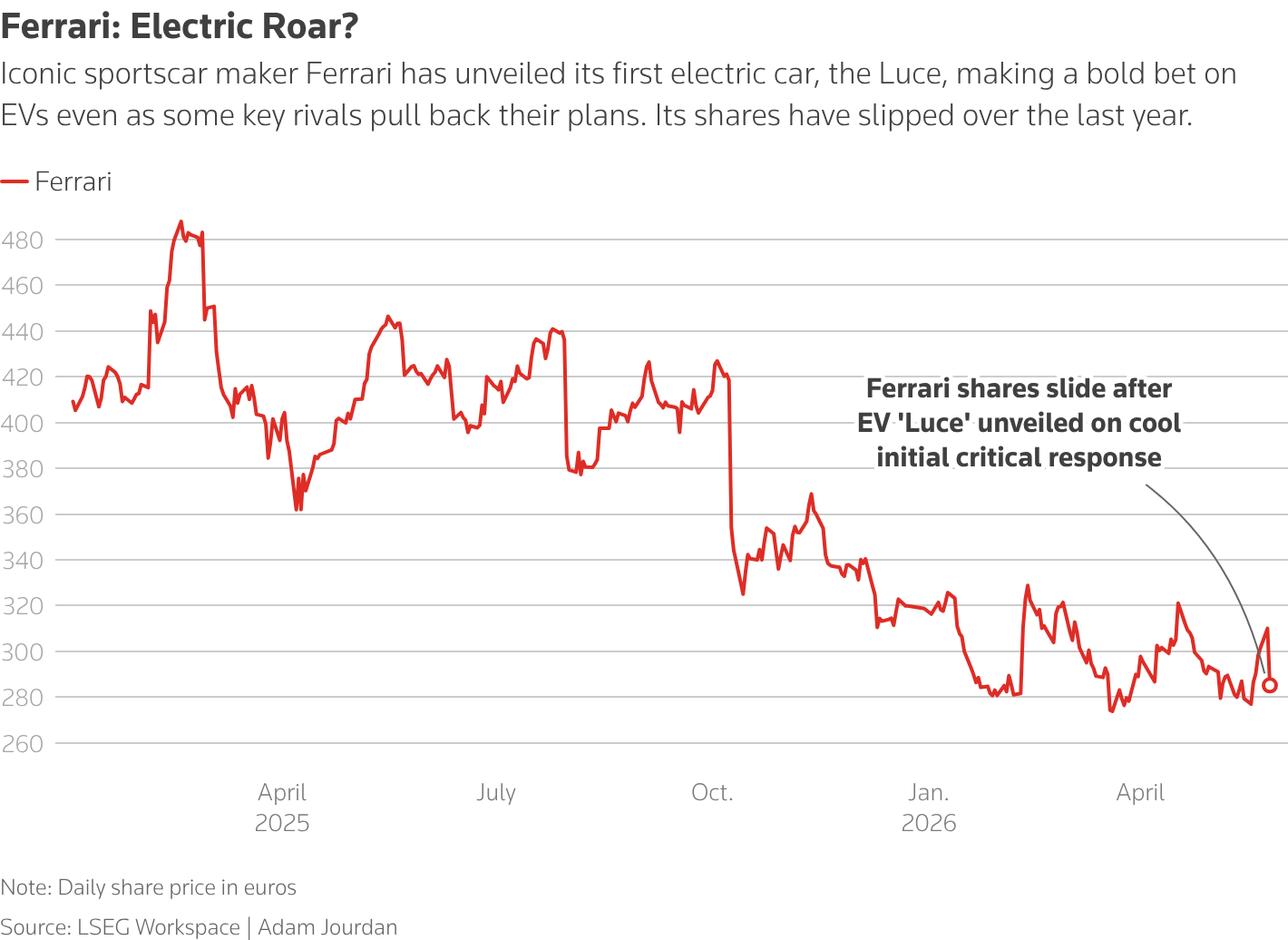
Taken collectively, the Ferrari Luce backlash will not be merely a criticism of aesthetics however quite a mirrored image of market concern about Ferrari’s capacity to maintain its valuation by way of a interval of id transition. The reported drop in Ferrari’s share worth following the revealing of the Luce goes past short-term volatility and factors to a broader uncertainty about whether or not the model’s id nonetheless holds below this new period of electrification. Ferrari has at all times traded on shortage and cultural desirability as a lot as engineering efficiency. When that notion weakens — even briefly — it interprets immediately into investor hesitation. The Luce might symbolize technological development, however as market reactions recommend, that progress with out the continuity of client want introduces an erosion of perception in what Ferrari stands for.
Learn Extra: BYD Vs Tesla: China’s EV Market Takes On International Management
For extra on the newest in luxurious automobiles and automotive reads, click on right here.