


What Is Keiki Paste? And How To Use It On Your Vegetation

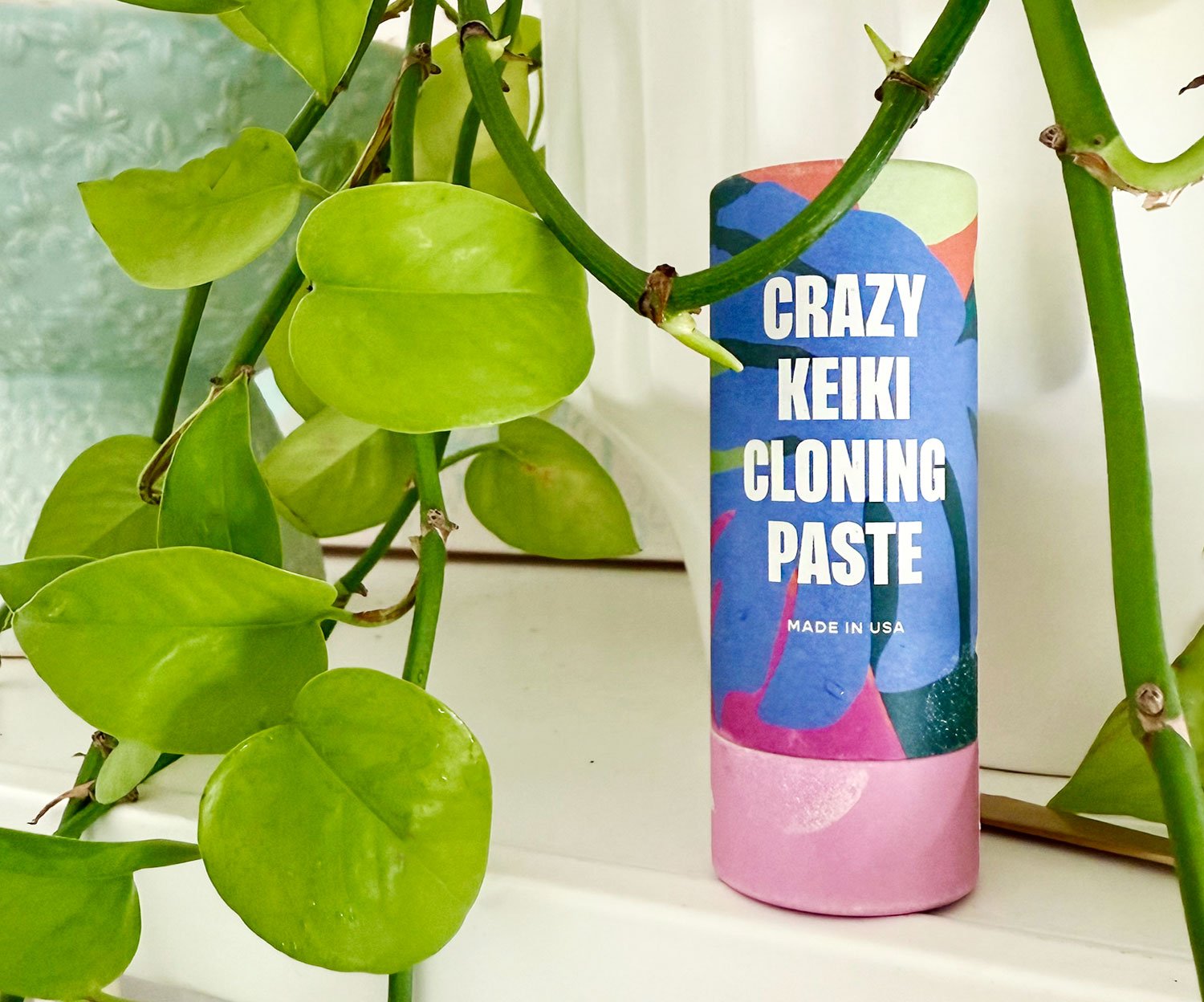
We acquired a number of questions in regards to the “miracle” cloning paste we confirmed on Instagram just lately. What’s it? What does it do? And why the heck is it known as “keiki“? Quick reply: keiki paste is an easy-to-apply progress hormone in your houseplants that may assist fill out naked spots on pothos, orchids, and extra. It’s a wise answer for any plant mother or father, however we’ll inform you what it may and may’t do, so your expectations match the consequence that you just’re prone to get. This isn’t a sponsored publish, by the best way.
We first realized of keiki paste from a plant-obsessed neighbor a number of months in the past. We have been skeptical at first – can it actually “get up” a dormant node on our crops? – however now we’re fast to sing its praises. Right here’s why…
What Does Keiki Paste Do?
Keiki Cloning Paste is a plant progress hormone that may stimulate new leaf progress in your houseplants. It’s nice for filling naked areas on crops like pothos, orhcids, and even fiddle leaf figs. For instance, we used it to assist regrow components of this leafless vine on our toilet plant shelf.
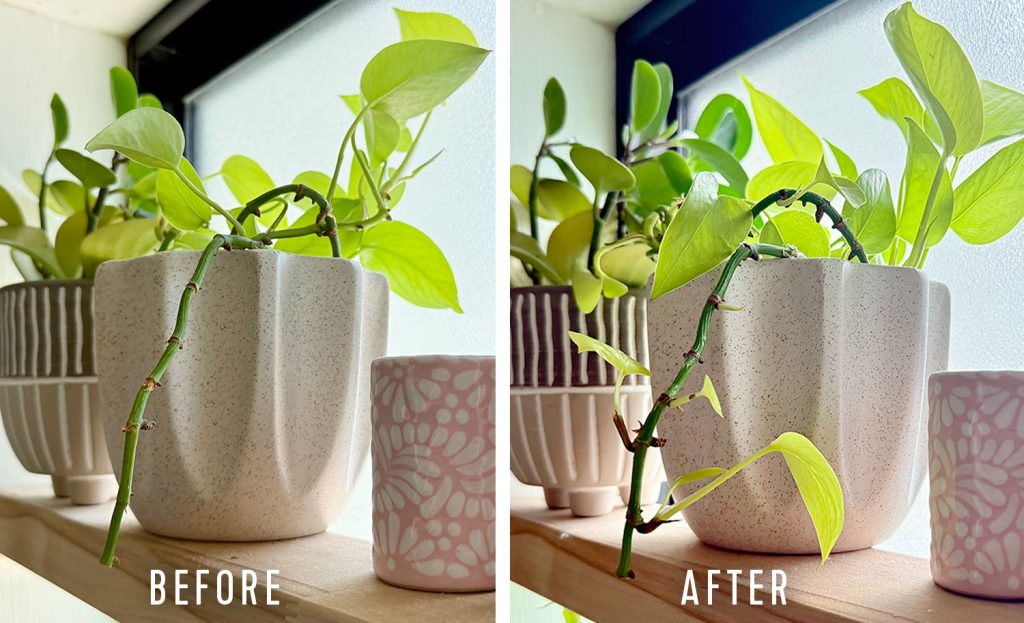
Keiki paste is completely different than rooting hormone, which is used to immediate root progress on plant cuttings throughout propagation. As a substitute, keiki paste is utilized to above-ground nodes to assist produce new leaves or branches.
What’s In Keiki Paste?
Keiki pastes sometimes encompass a sticky medium (like lanolin) that incorporates plant vitamins & hormones. The precise hormone method for every paste is proprietary, however most embrace a artificial cytokinin known as 6-benzylaminopurine, or 6-BAP. Cytokinins promote cell division in crops, and 6-BAP is among the most generally used artificial variations. Once more, that is distinct from rooting hormones that used auxins, not cytokinins.
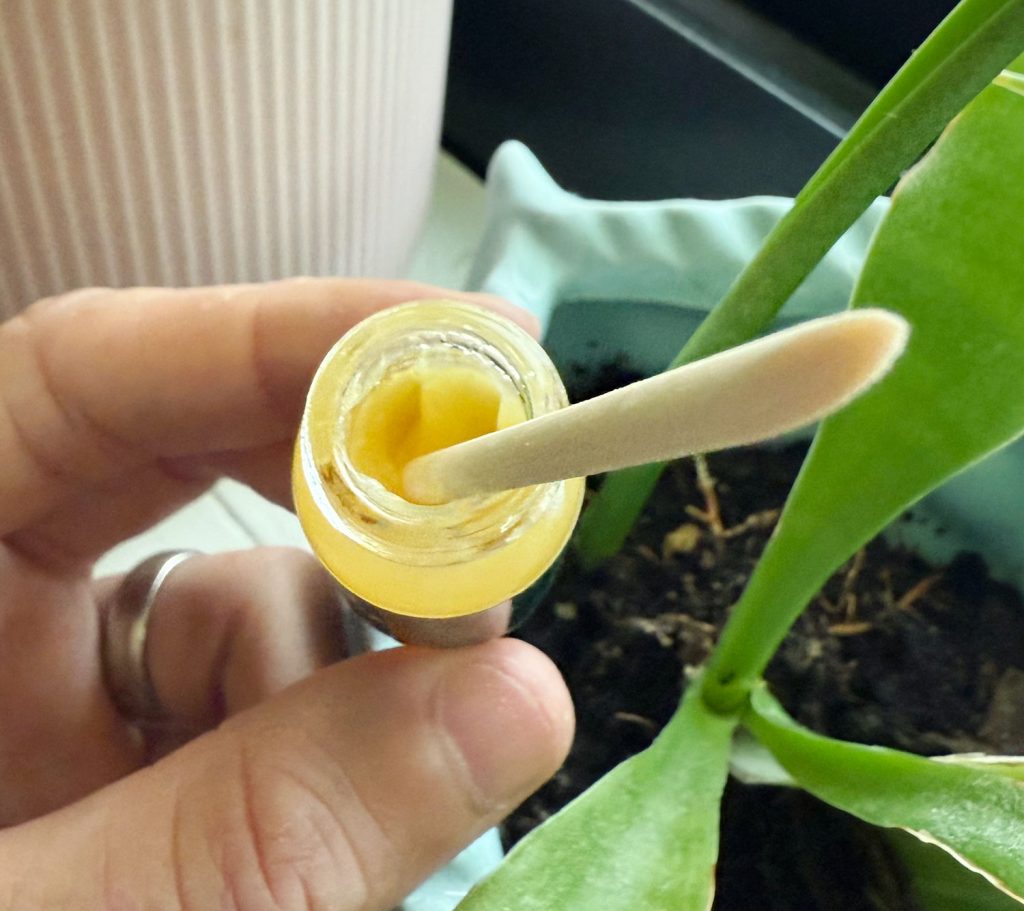
Lanolin is a pure substance that comes from sheep’s wool. It’s possible you’ll comprehend it as a Vaseline-like substance used as a moisturizer in your pores and skin. In keiki paste, it serves as a water-resistant “glue” that retains the hormones in place in opposition to the plant node. It’s fairly sticky, so remember to clear it off your pores and skin so that you don’t by accident get it in your eyes or mouth.
How To Apply Keiki Paste?
Two issues we love most about keiki cloning pastes is that (1) they’re straightforward to make use of and (2) a bit of goes a great distance. You possibly can apply it following 3 easy steps:
- Rating The Node
- Apply The Paste
- Water & Wait
Video Tutorial
Here’s a temporary video (60 seconds!) that reveals how we utilized keiki paste to a different pothos plant in our home. There’s additionally a written tutorial with photographs under if you happen to desire.
NOTE: You can even watch this video on YouTube.
Step 1: Rating The Node
First, make a small reduce on the node the place you wish to develop a brand new leaf. Nodes are the bumps alongside your vine or stem the place a leaf or department was. The reduce doesn’t should be deep, so a toothpick or desk knife ought to do the trick.
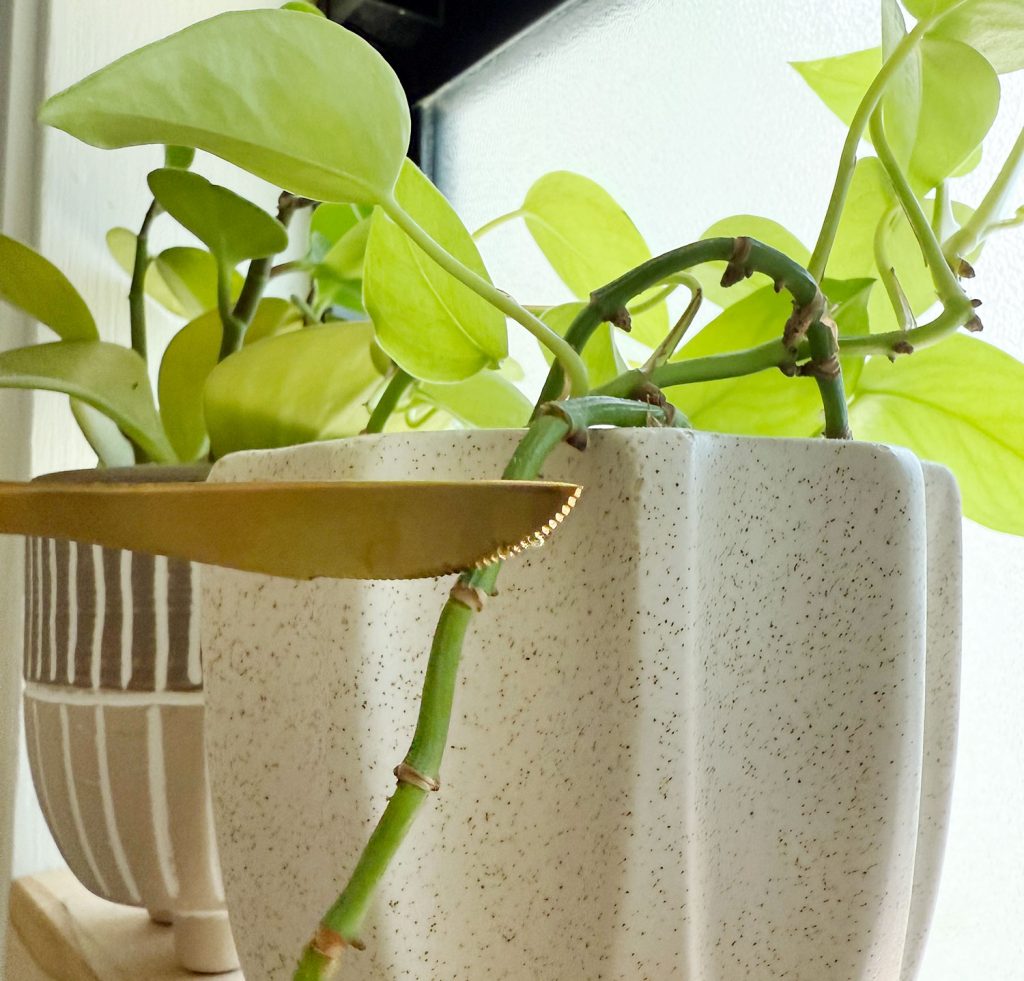
In case your node is roofed by a skinny shealth (known as a bract) chances are you’ll have to peel this off first. This gained’t damage the plant. You’re simply making an attempt to assist the hormone penetrate into the node extra simply.
Step 2: Apply the Paste
Use a toothpick or cotton swab to dab a small dot of keiki paste onto the node. Slightly bit goes a great distance – assume half of the dimensions of a pea. An excessive amount of keiki paste can stress the plant.
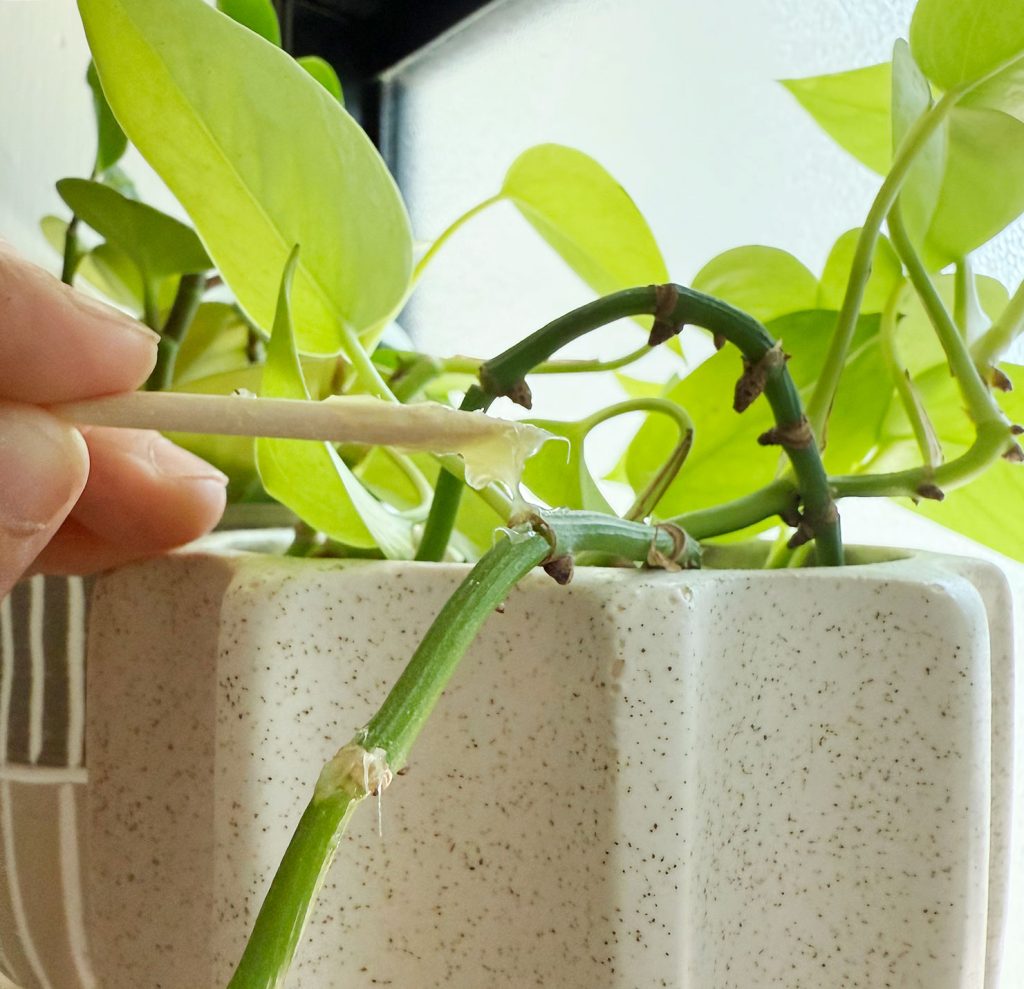
Step 3: Water & Wait
That’s it! Now your job is simply to be affected person and care in your plant as ordinary. This implies ensuring it’s receiving sufficient water and lightweight to help progress. Outcomes could start exhibiting in 1-3 weeks, however can take longer relying on rising circumstances and well being of the plant.
What Does “Keiki” Imply?
Keiki is pronounced “KAY-kee” (kinda like reiki, if you happen to’re acquainted) and is the Hawaiian phrase for “little one” or “toddler.” Within the plant world, keiki refers to new sprouts on an orchid plant, specfically these produced asexually (aka, not from a seed). Since a majority of these pastes have been initially developed for orchids, they earned the identify keiki paste – despite the fact that they can be utilized on many different plant varities.
What Vegetation Can I Use It On?
Keiki paste was created for orchids, however it may be used on nearly any plant with above-ground nodes. To date now we have tried it on lots of our pothos crops, however you need to use it on a variety of different crops reminiscent of:
- Vining crops like philodendrons & hoyas
- Flowering crops like orchids & begonias
- Succulents like donkey tails & string of pearls
- Small timber like fiddle leaf figs & rubber timber
Search for crops with nodes the place leaves, branches, or aerial roots develop (not zz crops or snake crops). It gained’t damage to experiment with completely different crops, so long as you don’t apply it to too many nodes directly and don’t over-apply the paste.
Why Isn’t My Keiki Paste Working?
We’ve been wowed by keiki paste once more & once more, however outcomes are NOT assured. So what provides? Listed below are some suggestions to bear in mind:
- Keiki paste works greatest on wholesome crops. It gained’t resolve underlying well being points like inadequate mild, missing nutriets, or over/underwatering. So in case your plant is struggling, ensure you deal with these earlier than turning to keiki paste.
- Solely deal with a number of nodes at a time. We’ve gotten the very best outcomes making use of keiki paste to only 1 or 2 nodes at a time. Every so often we’ve gotten overzealous (like when taking photos for this publish!) and concurrently handled 6 or 7 nodes on the identical vine. This seemingly overstressed the plant and compromised our outcomes. We solely noticed progress on 2 or 3 nodes anyway, so be affected person and don’t overdo it.
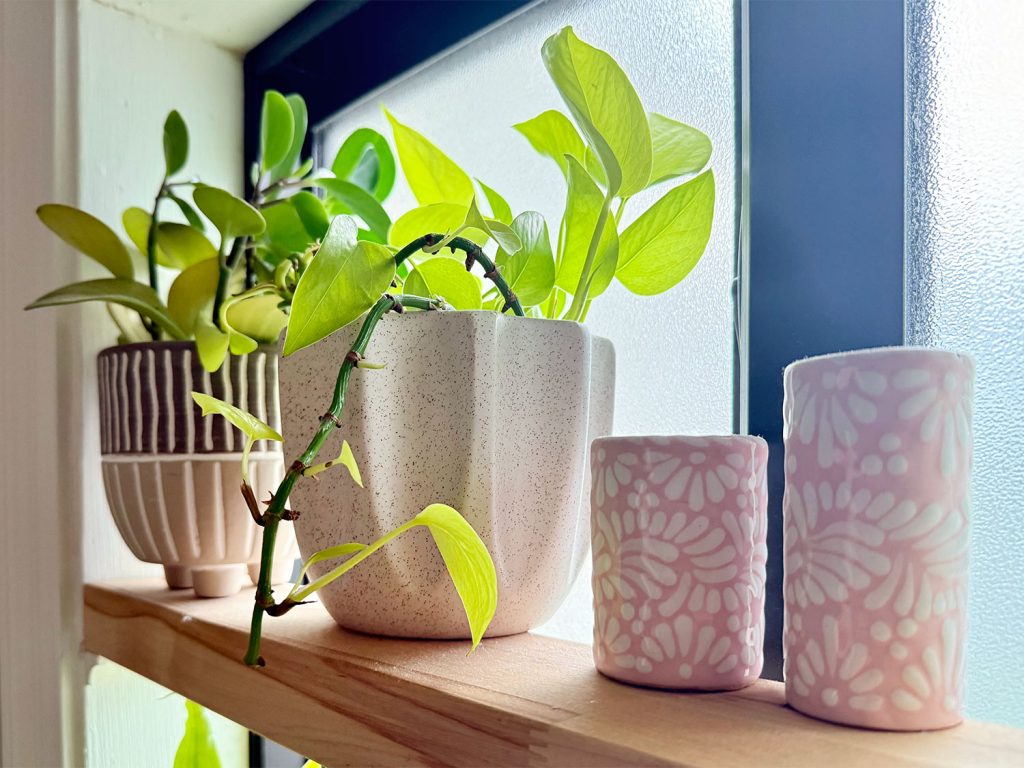
- Take into account different fixes too. If you happen to’re sad with a naked spot or leggy vine, it could be higher to prune it than attempt to rescue it. Bear in mind, most cuttings might be propagated and replanted in the identical pot to assist in giving it a full look. With vining crops like pothos, it’s also possible to coil the vine into your pot, pin the nodes proper under the soil (bobby pins work nice for that), and it ought to root over time.
These caveats aren’t meant to dissuede you from making an attempt keiki paste. It’s simply good to know its limits and the circumstances you’ll have to get the very best outcomes.
The place to Buy Keiki Paste
We acquired our Loopy Keiki Cloning Paste on-line from Southside Vegetation (a really cute sister-owned firm), however a number of manufacturers and web site promote their very own variations. It might really feel stunning to pay upwards of $20 to $25 for such a small jar, however understand that a bit of goes A LONG WAY. Bear in mind, you’re solely placing half of a pea measurementd dab on every node. So this could final us a very long time!
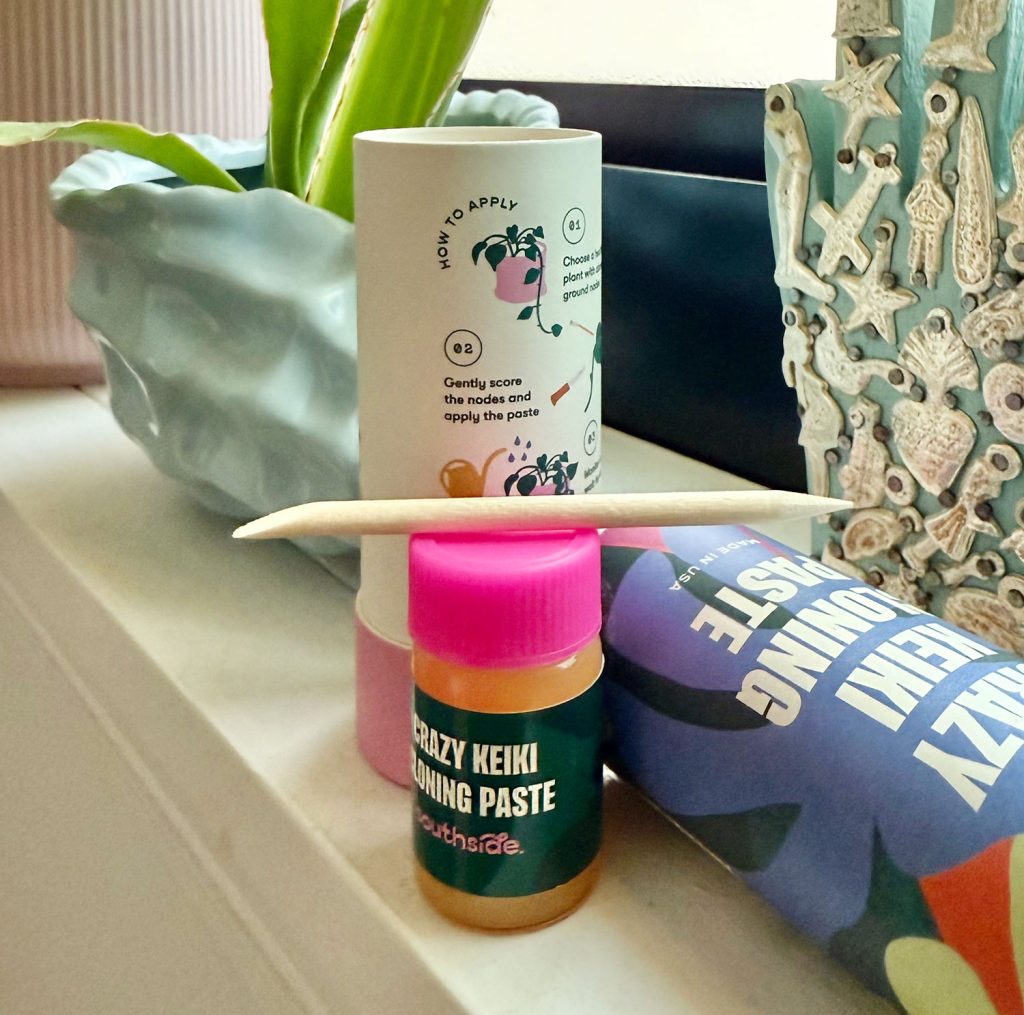
Keiki paste needs to be saved in a cool, darkish place away from daylight – which is one purpose we like that Southside’s model is available in an opaque storage tube, full with utility sticks.
Extra Plant Guides
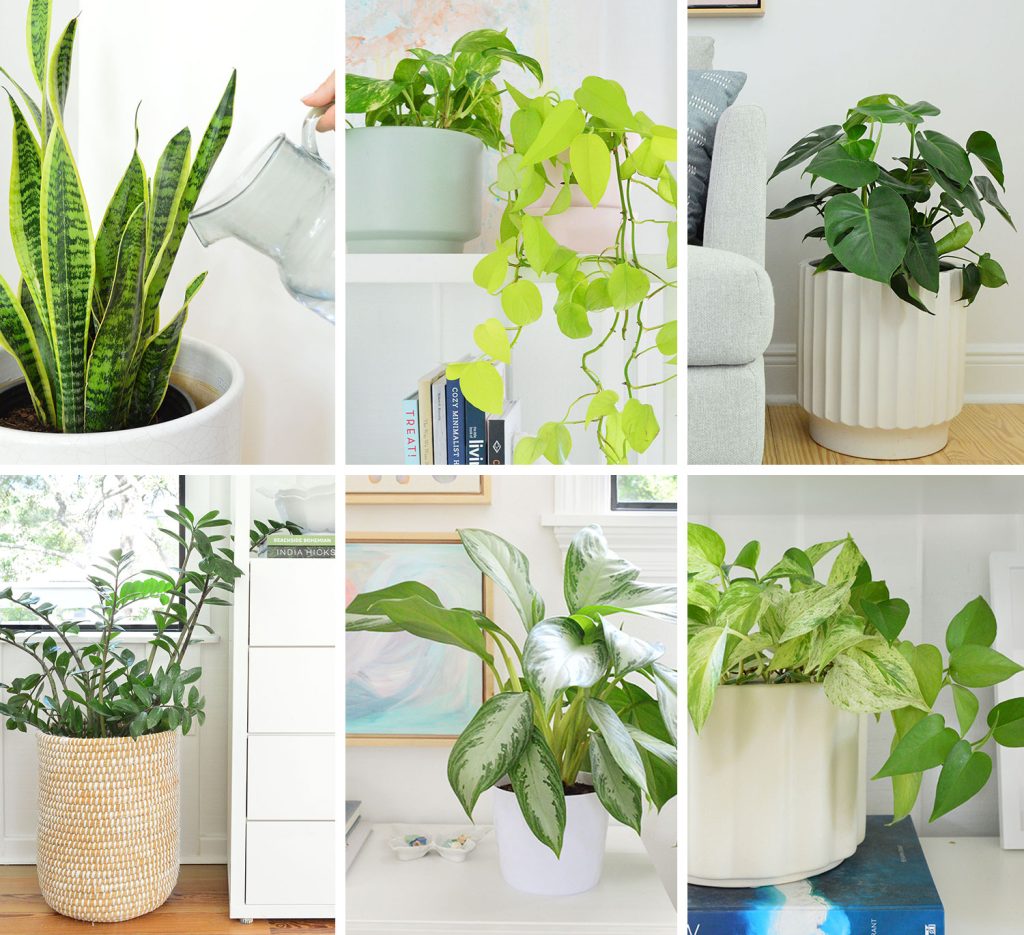
If you happen to’re searching for extra data on a few of our favourite crops, try a few of these posts under:
*This publish incorporates affiliate hyperlinks, so we could earn a small fee once you make a purchase order by means of hyperlinks on our web site at no further price to you.
