Is your toilet extractor fan making your toilet colder?

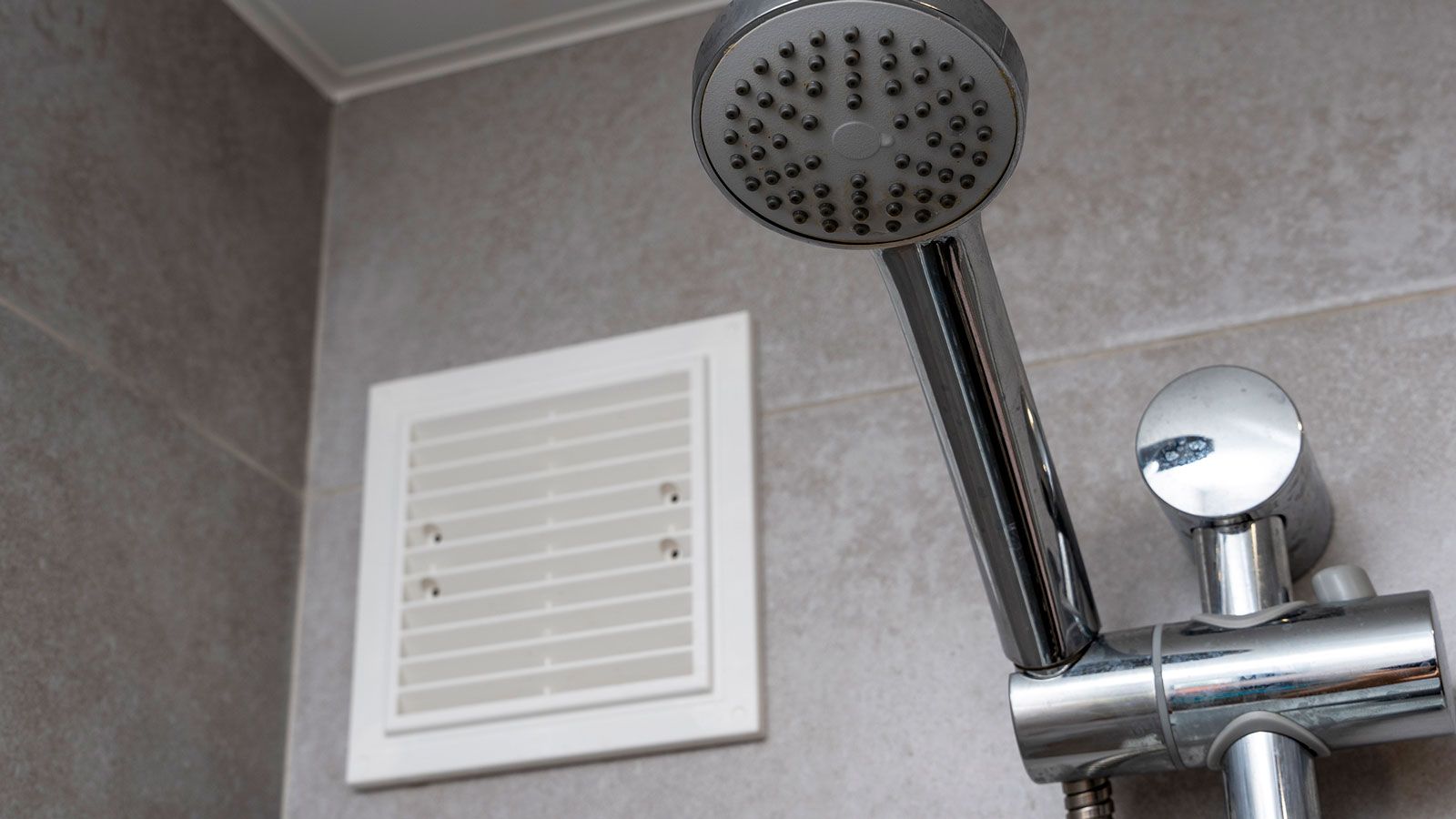
Loos are one room in the home that basically want to supply a constantly comfy setting – in any case, you’re prone to spend a lot of your time on this area in a state of partial or whole undress. Not the place for sub-zero temperatures.
You may suppose you’re doing all the appropriate issues – putting in top-of-the-line toilet extractor followers, becoming accurately sized heated towel rails and radiators and even an underfloor heating system – but if you’re nonetheless discovering your self shivering once you step out of the bathe, one thing is just not proper.
It’d shock you to be taught that your extractor fan might be the perpetrator right here – we spoke to the consultants to clarify why this is perhaps and how you can put a cease to this icy situation as soon as and for all.
Can toilet extractor followers make a room really feel colder?
Many individuals have by no means thought-about that their extractor fan is perhaps interfering with their toilet heating, inflicting their room to really feel chilly but, in line with the consultants, it is a way more frequent drawback than you may suppose.
“Extractor followers play an essential function in controlling moisture, but when they don’t seem to be accurately specified or arrange then they will make a a lot larger affect on warmth loss than owners could realise,” explains Ryan Marshall, director of Marshall Clear Warmth and Energy. “Loos are normally small, extremely heated areas, so even a modest extraction fee can substitute heat air with chilly air in a short time – particularly in colder months.”
Martyn Fowler, founding father of Elite Renewables, elaborates. “The fan modifications how air behaves in a managed area. When an extractor fan runs, it creates destructive strain within the toilet. Which means air has to return from someplace to interchange what’s being pulled out.
“If the door is open, it would pull heat air from the remainder of the home,” continues Martyn. “If the door is closed and the room is sealed, it might probably attract colder air via gaps within the constructing envelope, resembling trickle vents and even the fan duct itself if there’s no backdraught damper.”
There are literally a number of the explanation why toilet extractor followers may find yourself inflicting extra issues than they remedy – we’re right here to disclose them.

Ryan Marshall is managing director of Marshall Clear Warmth and Energy, a UK-based specialist in renewable heating and vitality options. A time-served heating engineer with an MBA and Chartered Supervisor standing, Ryan based the enterprise in 2008 and has since led its progress with a powerful concentrate on clear warmth applied sciences, vitality effectivity and sensible decarbonisation. He’s enthusiastic about serving to properties and companies transition to low-carbon vitality with confidence.

Founding father of Elite Renewables, Martyn Fowler is without doubt one of the UK’s main renewable expertise consultants, working with warmth pumps for the final twenty years. His ardour for decarbonisation matched with a deep technical expertise of the expertise make him one of many trade’s go-to consultants for all issues renewable.
1. Followers which can be left to run for too lengthy
Loos can turn out to be steamy locations that means the temptation may be to depart your extractor fan working at full blast lengthy after it has been used to be able to eliminate all that damp, scorching, muggy air – however this might be a giant mistake.
“One of the frequent points we see is followers working for longer than essential,” reveals Ryan Marshall. “Lengthy overrun instances or continuous-run fashions can take away extra heat air than your heating system can comfortably substitute, which leaves the room feeling noticeably colder.”
“The most typical situation is followers that run continually or keep on far longer than they should,” agrees Michael Zohouri, founding father of Pyramid Eco. “If the fan retains pulling air out after the moisture has cleared, you’re simply eradicating heat air and changing it with chilly from different elements of the home.”
The answer: “Begin by checking how the fan is managed,” says Michael. “If it’s wired to the sunshine change, take into consideration upgrading to a humidity-sensing mannequin. These solely run when moisture ranges are excessive and change off when issues are dry once more. So that you don’t lose any warmth simply because somebody forgot to show it off.”

Michael Zohouri is the corporate founder, bringing over a decade of expertise to the function. His experience spans energy-efficient retrofitting tasks, together with insulation, photo voltaic and warmth pump installations. Dedicated to addressing challenges like thermal bridging and bettering air high quality, Michael focuses on creating more healthy, extra sustainable residing environments whereas decreasing vitality prices for residents.
2. Defective or lacking backdraught damper
All extractor followers used for toilet air flow needs to be fitted with a backdraught shutter, a valve that opens when the fan is working to let stale air out however that ought to then robotically shut when the fan is just not in use.
“It’s actually essential that the fan has a correct backdraught shutter that seals totally when the fan is off,” explains Martyn Fowler. “With out that, the duct can act as a pathway for chilly air to maneuver again into the toilet.”
“If the fan hasn’t received a working backdraught damper, or if the ducting round it isn’t sealed correctly, chilly air can come again in from outdoors,” provides Michael Zohouri. “Typically you’ll really really feel the nippiness coming straight via the fan.”
The answer: Have a look and test that the backdraught flap is working and sealing correctly when the fan is off.
“Insulated ductwork and a good-quality non‑return valve will make a giant distinction by stopping chilly air being pulled or blown again into the toilet when the fan isn’t working,” says Ryan Marshall.

3. Selecting a fan that is too highly effective
Selecting an extractor fan that isn’t specified accurately for the dimensions of you toilet could cause all types of issues, warmth loss included – if it’s not highly effective sufficient it will not pull the stale air and steam out correctly, however whether it is too highly effective you possibly can end up losing each warmth and vitality.
“One of the frequent points is extreme air extraction – if a fan is just too highly effective for the room measurement, it might probably pull heat air out quicker than it’s changed, making a noticeable chill,” explains Ruth MacEachern, product supervisor at air flow specialists EnviroVent.
“Larger isn’t at all times higher,” agrees Michael Zohouri. “If the fan is rated for a a lot bigger room it’ll pull out an excessive amount of air too shortly and take the warmth together with the steam.”
The answer: Select an extractor fan with the right extraction fee to your toilet’s measurement. Calculate its quantity by multiplying it size by its width by its top (L x W x H). It’s advisable to have not less than 4 air modifications per hour so you’ll then multiply the determine you bought by 4. This is able to provide the required extraction fee of your fan in m3/h.

Ruth MacEachern is product supervisor at EnviroVent, one of many UK’s main producers and installers of sustainable, low-energy home air flow techniques.

Manrose QF100T Quiet Extractor Fan
This well-priced extractor fan ticks so many containers – quiet to run (27dB) and simple to put in, it additionally has a backdraught shutter and overrun timer. It’s appropriate for the standard 100mm duct.

Vent-Axia VASF100T Rest room Extractor fan
This extractor fan is tremendous quiet to run (14dba) options two velocity settings and has an adjustable overrun timer – plus, backdraught shutters are included. It additionally appears to be like fairly sensible.

Devola Rest room Extractor Fan with Humidistat
Whereas not as quiet because the others right here (30dBA), this extractor fan incorporates a humidistat to set between 60-90% and an overrun timer that means it will not be working for longer than wanted.
4. Dangerous extractor fan positioning
It’s no good simply sticking your extractor fan in any outdated place inside your toilet structure – when you may not need it ruining your toilet design concepts, you really want to provide some thought to its location if you do not need it to be the reason for post-bath shivering.
“Format issues,” states Martyn Fowler. “If the extractor is positioned straight above the bathe or bathtub and runs for lengthy intervals, it might probably strip heat air in a short time and trigger a noticeable drop in temperature.”
The answer: “In compact bogs, drawing air from a better nook or barely away from the bathe can nonetheless take away moisture successfully, however in a extra managed means,” advises Martyn.

5. Velocity settings are being neglected
Working your extractor fan flat out in a quest to beat mould within the toilet is just not the perfect methodology of getting essentially the most out of it – simply one other means wherein it might make your toilet really feel chilly.
“Fan velocity performs a key function,” says Martyn Fowler. “Many more recent fashions supply variable velocity settings, which makes a giant distinction in smaller bogs. As an alternative of working flat out on a regular basis, the fan can function at a decrease fee for background air flow and solely ramp up when steam ranges rise. That reduces how a lot heat air is eliminated and helps preserve the room temperature extra secure.”
The answer: Select an extractor fan with variable speeds and that responds to the moisture ranges in your area.
“A humidity-controlled fan works on demand,” explains Martyn Fowler. “It switches on when moisture ranges rise, and switches off as soon as the air has dried out. Which means you’re eradicating steam when it’s wanted, however you’re not constantly pulling heat air out of the room as soon as the job is completed.”
6. Uninsulated fan ducting
It’s essential, if you wish to keep a snug temperature in your toilet, that you just test the way in which your extractor fan is ducted to outdoors. Additionally it is actually essential to make sure that the ducting you utilize is insulated.
“Poorly sealed ducting or gaps across the fan housing can permit chilly air to enter from outdoors,” explains Ruth MacEachern.
The answer: “Be certain your ducting runs correctly to an outdoor wall or roof vent, and that it’s insulated if it goes via a chilly loft,” advises Michael Zohouri. “That stops condensation forming within the duct and helps stop chilly air from being pulled in.”
7. Drawing contemporary air from a chilly spot
Together with checking that ducting seals are intact and that insulation has been thought-about, do take into consideration how the supply of your contemporary air might be affecting toilet temperatures.
“When a fan pulls humid air out, it needs to be changed from some other place within the property,” picks up Ryan Marshall. “If that ‘make-up’ air is being drawn from unheated areas, resembling hallways, loft voids or via draught factors, the temperature drop may be important, particularly in older or much less hermetic properties.”
The answer: Together with ensuring your contemporary air is just not coming from an unheated space, and addressing draught proofing all through your private home, Michael Zohouri has one other resolution.
“Hold the door closed when the fan is working,” he says. “This permits the fan to attract air from below the door moderately than from the remainder of the home.”
FAQs
The UK Constructing Rules state that bogs should have some type of air flow, though this may be offered within the type of both an extractor fan or an openable window. Nevertheless, within the case of latest builds, bogs are required to be fitted with mechanical air flow (as a result of them being extra hermetic).
Even if you’re not constructing a brand new home, it’s nonetheless extremely advisable to suit an extractor fan. Opening a window for extended intervals within the depths of winter to take care of humid, stale air is impractical, plus mechanical air flow is a good way to keep away from points with damp or mould arising.
If in case you have discovered damp within the toilet you shouldn’t solely deal with your air flow strategies, but in addition be looking out for leaks in pipework or behind tiles. When you can, opening home windows for a couple of minutes on daily basis will assist too.