All new houses would require warmth pumps and photo voltaic from 2028

The UK authorities has confirmed that the lengthy‑awaited Future Houses Normal will now take impact from March 2028, giving builders extra time however cementing more durable necessities for brand spanking new housing.
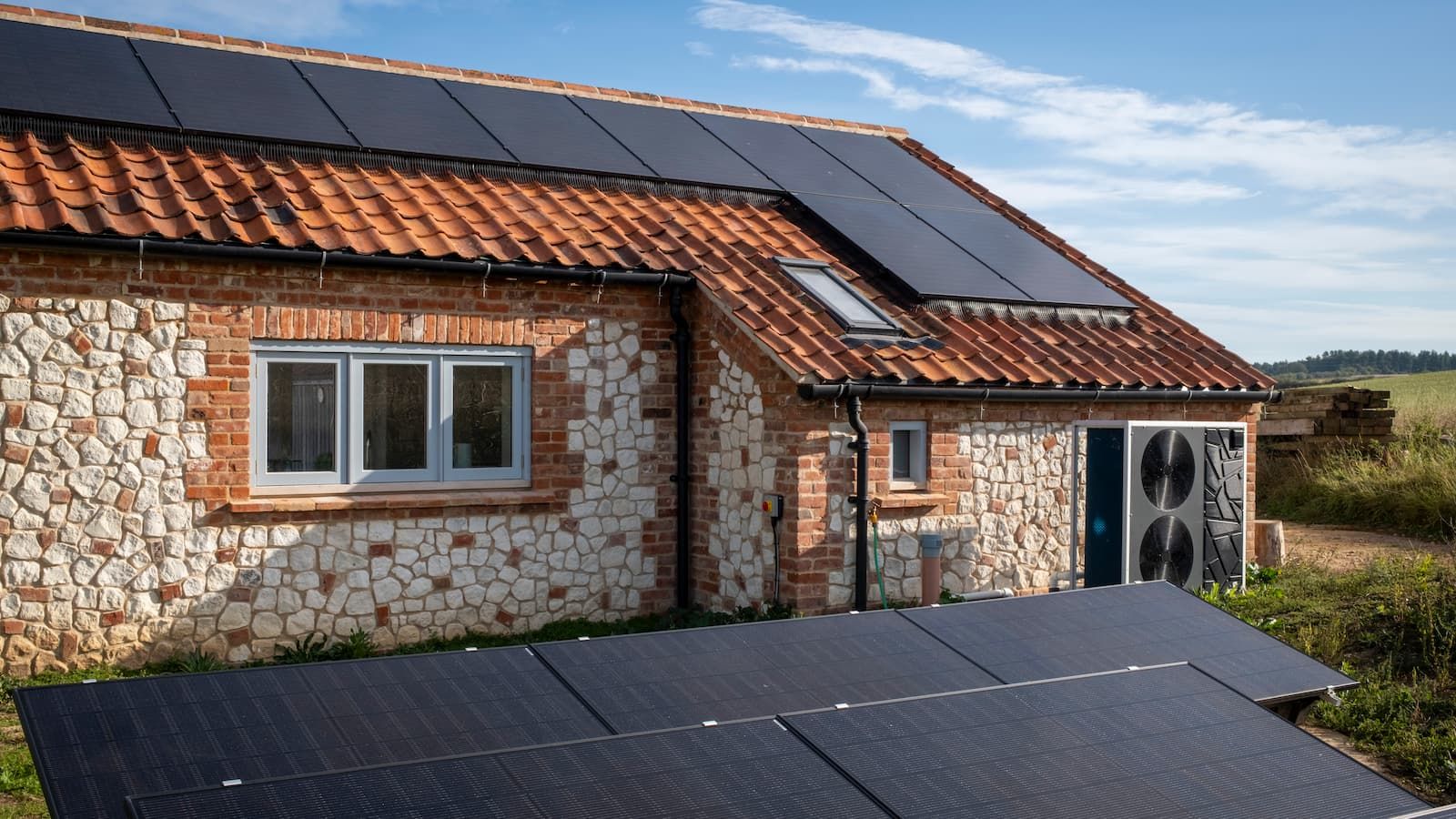
Below the up to date guidelines, all new houses in England will should be fitted with warmth pumps or different low‑carbon heating methods and be constructed with photo voltaic panels as normal – a part of a drive to slash family emissions and power prices.
The modifications type a part of broader clear power measures aimed toward bettering power safety and lowering the UK’s reliance on imported fossil fuels.
Article continues under
1. Warmth pumps for all new houses

One of many headline necessities within the Future Houses Normal is that new homes can be heated by low‑carbon methods as a substitute of conventional gasoline boilers.
The brand new guidelines are anticipated to scale back family power use by round 75 % in contrast with houses constructed beneath older requirements.
2. Photo voltaic panels as normal, together with new plug‑in choices

Below the up to date Normal, nearly all of new houses can be constructed with photo voltaic PV panels fitted as normal, sized in lots of circumstances to at the least 40 % of the house’s flooring space to maximise on‑web site renewable era.
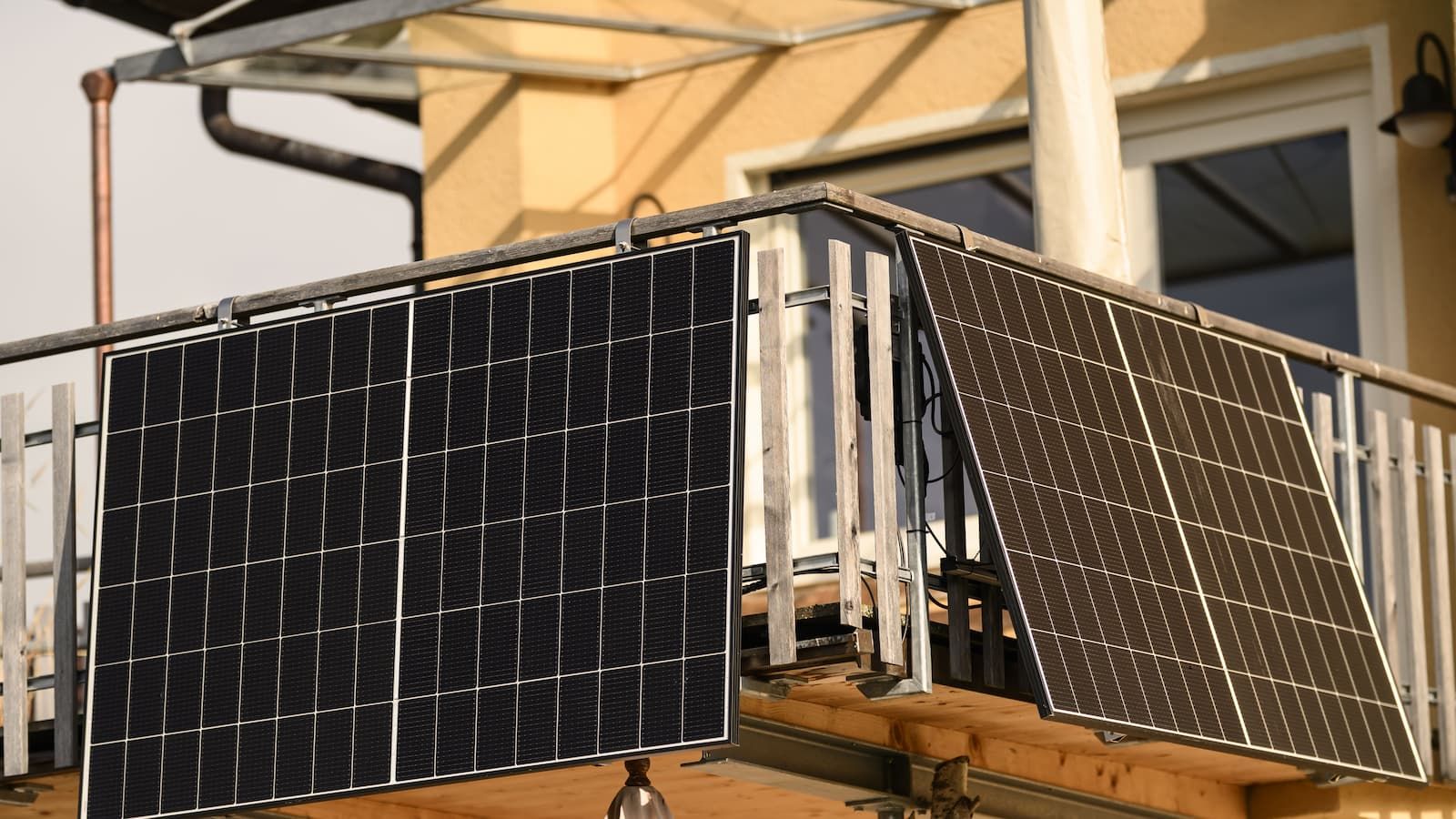
Along with rooftop photo voltaic panels on new houses, the federal government can be bringing plug‑in photo voltaic panels into UK retailers inside months – small, straightforward‑to‑set up photo voltaic items that households can plug right into a mains socket to offset electrical energy use.
These transportable panels, already frequent in elements of Europe, are a part of wider efforts to make clear power extra accessible and scale back payments for current houses too.
3. Stronger power effectivity and efficiency requirements
The Future Houses Normal raises the bar on power efficiency throughout the board.
New houses can be constructed with a lot increased ranges of insulation, tighter airtightness, and extra environment friendly constructing materials so heating and electrical energy demand is minimised from the beginning.
Draft steering signifies exterior partitions might obtain U‑values of round 0.26 W/m²·Okay, roofs round 0.16 W/m²·Okay, flooring round 0.18 W/m²·Okay, and home windows about 1.6 W/m²·Okay, whereas air permeability could also be restricted to roughly 8 m³/h·m² at 50 Pa.
These improved efficiency requirements complement the necessities for warmth pumps and photo voltaic, making new houses genuinely low‑carbon and simpler to run over their lifetime.
Trying forward
The Future Houses Normal will mark a serious shift in how new houses are inbuilt England, with warmth pumps, photo voltaic panels, and tighter, better-insulated constructing materials changing into normal options.
Whereas the foundations set clear targets for power efficiency and carbon discount, it stays to be seen how successfully they’ll lower family power payments or scale back emissions in observe, particularly given variations in development high quality and real-world utilization.
The approaching years will present whether or not these measures ship on their promise to make houses greener and extra energy-efficient.