Open Idea 2.0: Creating Connection With out Dropping Privateness

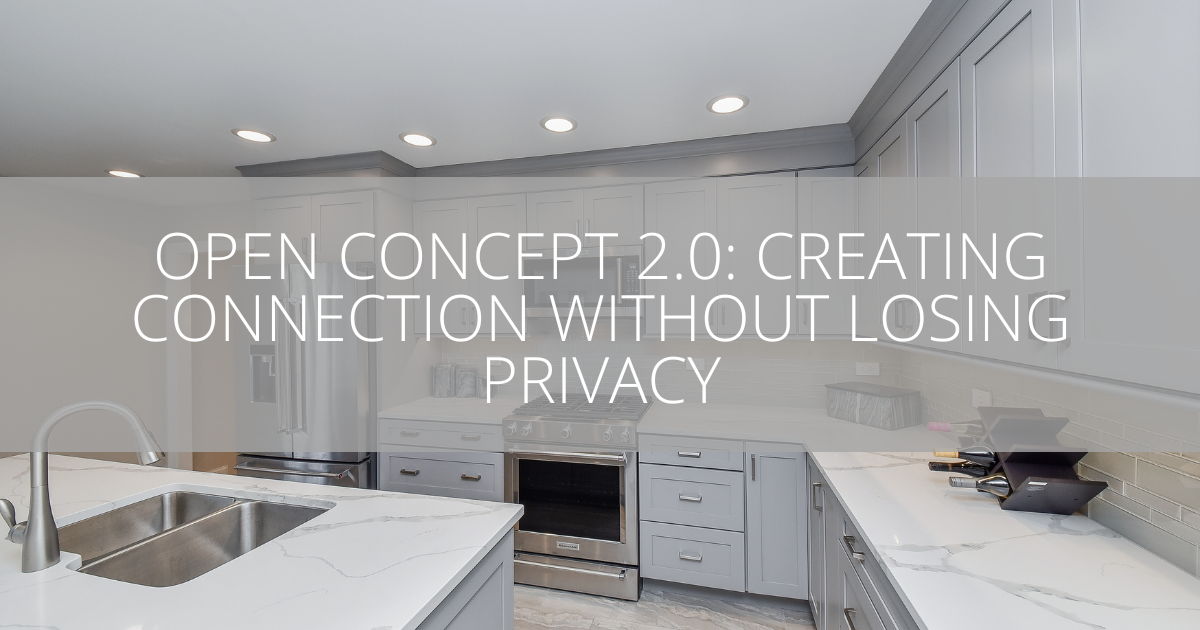
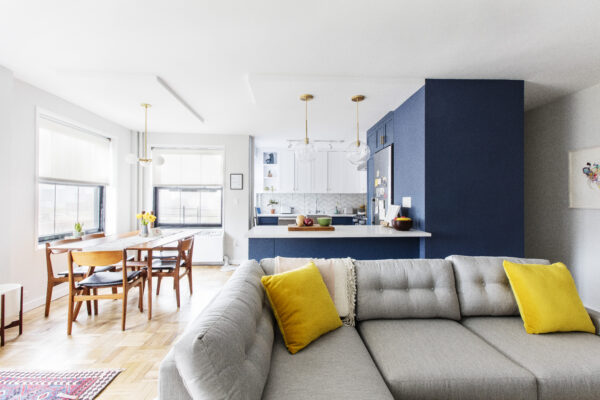
For years, the open-concept ground plan has dominated trendy residence design. It was a motion that celebrated mild, movement, and togetherness—breaking down the boundaries between kitchens, eating areas, and dwelling rooms. Households might cook dinner, chill out, and entertain in a single related house, and houses felt bigger, brighter, and extra social.
However as our existence have modified, so have our wants. The identical open layouts that when felt liberating can now really feel chaotic. Working from residence, managing hybrid schedules, and juggling household actions multi function shared house has made many owners crave a stability between connection and privateness. We nonetheless love the airiness and movement of open dwelling—however we additionally want locations to focus, unwind, and luxuriate in a little bit quiet.
That stability is the essence of what we are able to name Open Idea 2.0—a brand new, developed strategy to residence design that retains the spaciousness of open layouts whereas reintroducing refined boundaries, acoustic management, and adaptability. It’s about creating houses that really feel open and cohesive, but functionally zoned and comfy for actual life.
The Evolution of Open Dwelling
The unique open-concept structure emerged as a rejection of the closed-off, compartmentalized houses of the previous. Flattening partitions between kitchens, eating rooms, and dwelling areas created houses that felt recent, related, and family-friendly. The design additionally mirrored a cultural shift—away from formality and towards togetherness. Dad and mom might cook dinner whereas watching the children, and visitors might mingle freely with out feeling remoted.
Nevertheless, as existence developed, the downsides grew to become not possible to disregard. Noise from a blender or tv traveled all through the home. A single messy countertop was seen from each nook. Heating and cooling massive open areas was inefficient, and anybody on the lookout for a quiet house to take a name or learn a e-book needed to retreat to a bed room. The once-celebrated openness started to really feel a little bit too uncovered.
Reasonably than abandoning the concept solely, householders and designers began rethinking it. Open Idea 2.0 retains the visible connection however restores stability—creating houses that really feel unified, however not uniform. The result’s a design philosophy that embraces each group and calm.
Redefining “Open”: The Rules of Open Idea 2.0
At its core, Open Idea 2.0 is about designing areas that foster connection with out sacrificing operate or consolation. This new strategy follows a number of guiding rules.
First, it emphasizes connection by means of sightlines, not by means of one huge shared house. You’ll be able to nonetheless really feel related throughout rooms by means of visible cues—reminiscent of open doorways, constant supplies, and aligned design parts—with out having to take away each wall.
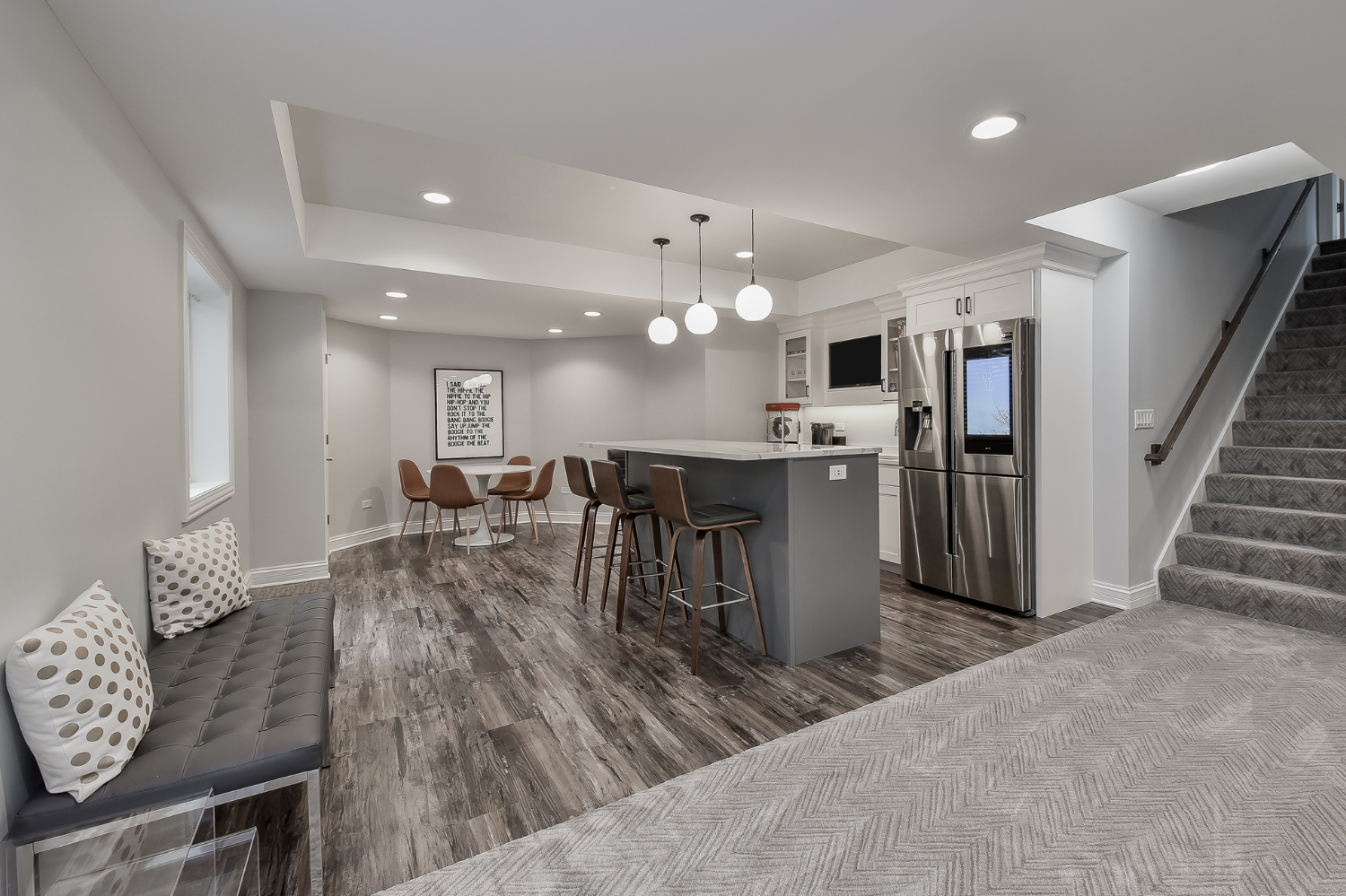
Second, it values outlined zones as a substitute of inflexible separations. Reasonably than constructing stable partitions, designers now use refined architectural particulars—half partitions, built-ins, ceiling variations, and modifications in flooring—to outline every space’s function whereas protecting the general movement.
Third, it introduces versatile privateness. Owners can open or shut areas relying on the event. Sliding panels, pocket doorways, or movable screens can briefly divide areas with out completely reducing them off.
Lastly, Open Idea 2.0 emphasizes acoustic and visible stability. Mushy supplies, layered textures, and strategic furnishings placement assist take in sound and create calm with out diminishing openness.
These concepts kind the spine of a wiser, extra livable open ground plan—one that may adapt to trendy life slightly than dictate it.
Designing Open Areas That Really feel Outlined
One of many greatest challenges of open layouts is giving every space a transparent identification. With out some type of definition, an open house can really feel undefined and overwhelming. The answer lies in refined, intentional design strikes that sign transitions whereas protecting every part cohesive.
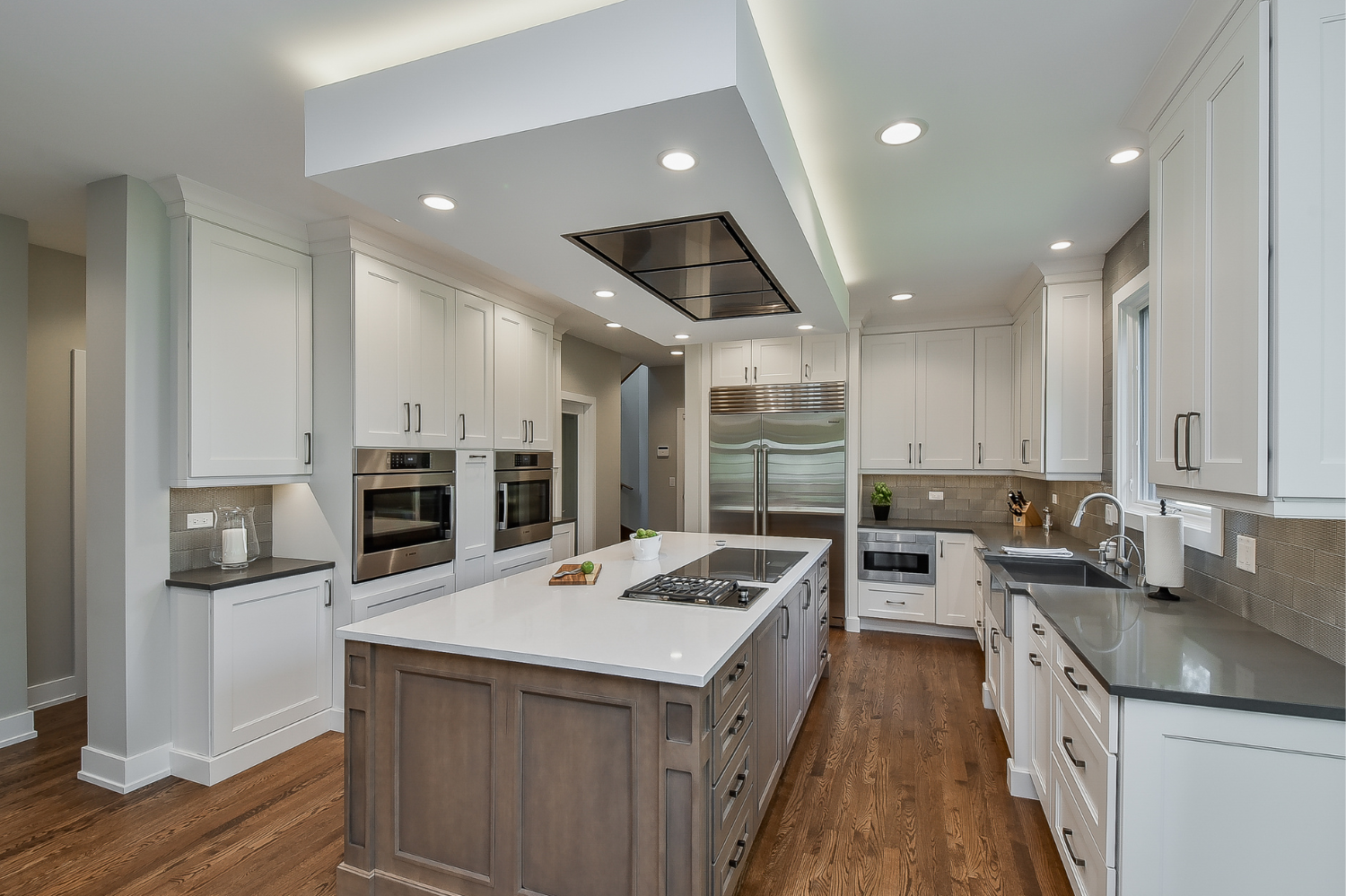
One efficient technique is to make use of the ceiling as an invisible divider. By various ceiling heights or supplies, you possibly can point out the place one house ends and one other begins with out utilizing partitions. For instance, a coffered ceiling over a eating space can create a way of intimacy, whereas clean drywall or wooden planks within the adjoining lounge preserve visible distinction. Recessed lighting or pendant fixtures can additional improve these distinctions, drawing the attention to the suitable locations and serving to every zone really feel deliberate.
Flooring is one other highly effective device. Even inside a single open house, altering supplies or patterns can set up pure boundaries. A tiled kitchen that flows into hardwood in the lounge alerts a shift in operate. Space rugs can anchor furnishings groupings and visually “floor” every zone. Even a easy change within the route of planks or tiles can create refined definition whereas protecting the look unified.
Furnishings placement is equally vital. In open areas, furnishings turns into the structure. A settee turned away from the kitchen, as an example, can outline a dwelling space simply as successfully as a wall. A console desk or low shelving unit behind that couch can add storage whereas reinforcing the boundary. A kitchen island serves the identical function, marking the transition from cooking to eating whereas sustaining openness and communication. Designers typically speak about creating “rooms with out partitions,” and these spatial cues make that doable.
Lighting and Supplies: Defining By means of Design
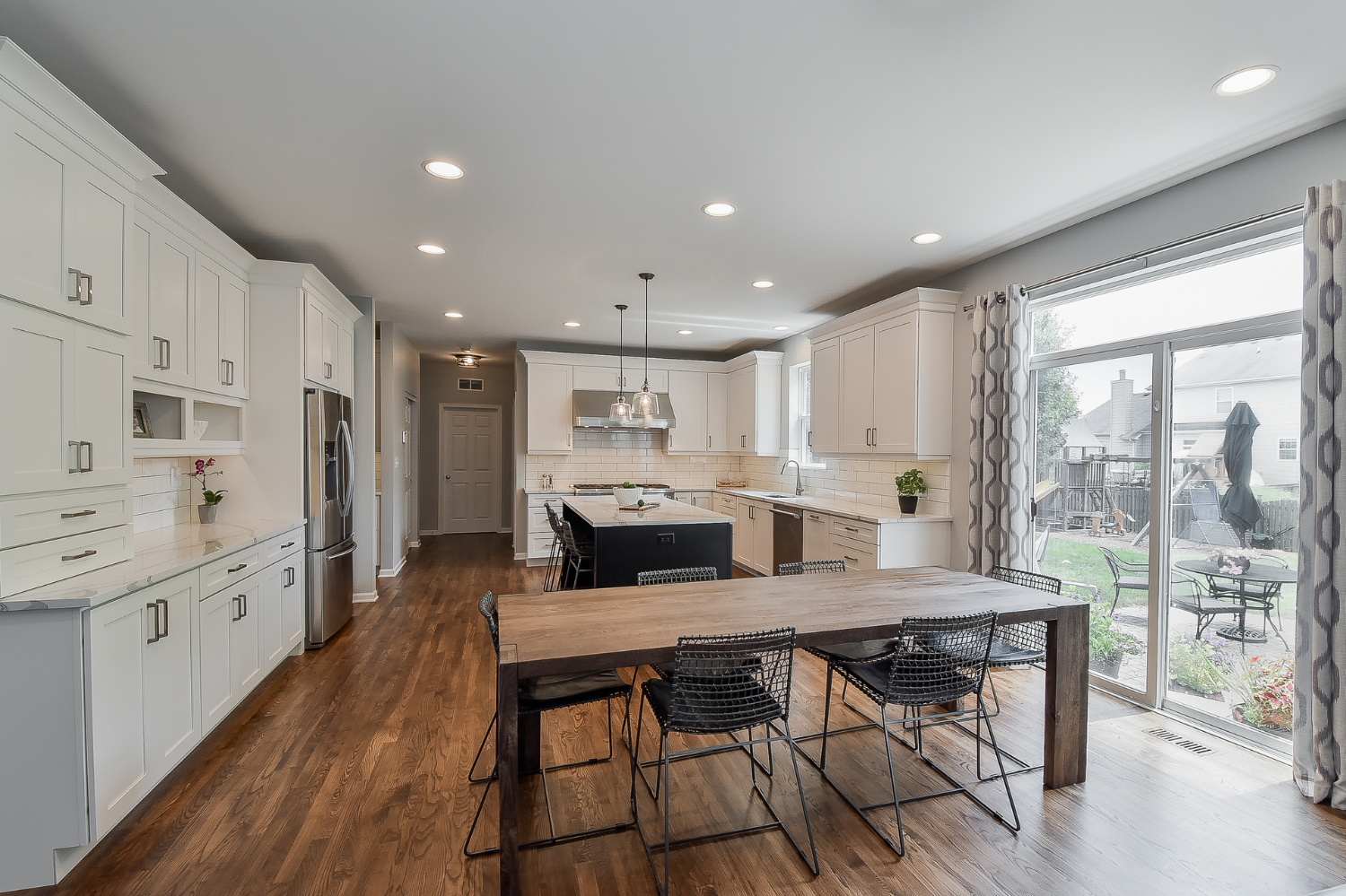
Lighting performs a significant function in shaping the ambiance of an open structure. As a substitute of counting on a single kind of lighting all through, a layered strategy works finest. Ambient lighting—reminiscent of recessed fixtures—gives a constant glow that ties areas collectively. Process lighting, like pendants over a kitchen island or a studying lamp by the couch, highlights operate. Accent lighting, together with wall sconces or under-cabinet LEDs, can be utilized to subtly body areas and create temper transitions from one zone to the following.
Supplies and finishes additionally assist distinguish areas. When every part in an open structure matches completely, the end result can really feel flat and monotonous. By introducing assorted textures—like matte paint in a lounge space paired with shiny tile within the kitchen—you create visible rhythm. A change in wooden tones, stone varieties, or material textures can add persona to every house whereas sustaining concord by means of shade and undertone consistency.
Even small gestures, like utilizing wainscoting or a change in wall therapy in a single part of the room, can sign function. These particulars create psychological boundaries that assist folks instinctively perceive find out how to use an area, even when no bodily wall exists.
Partial Dividers and Versatile Boundaries
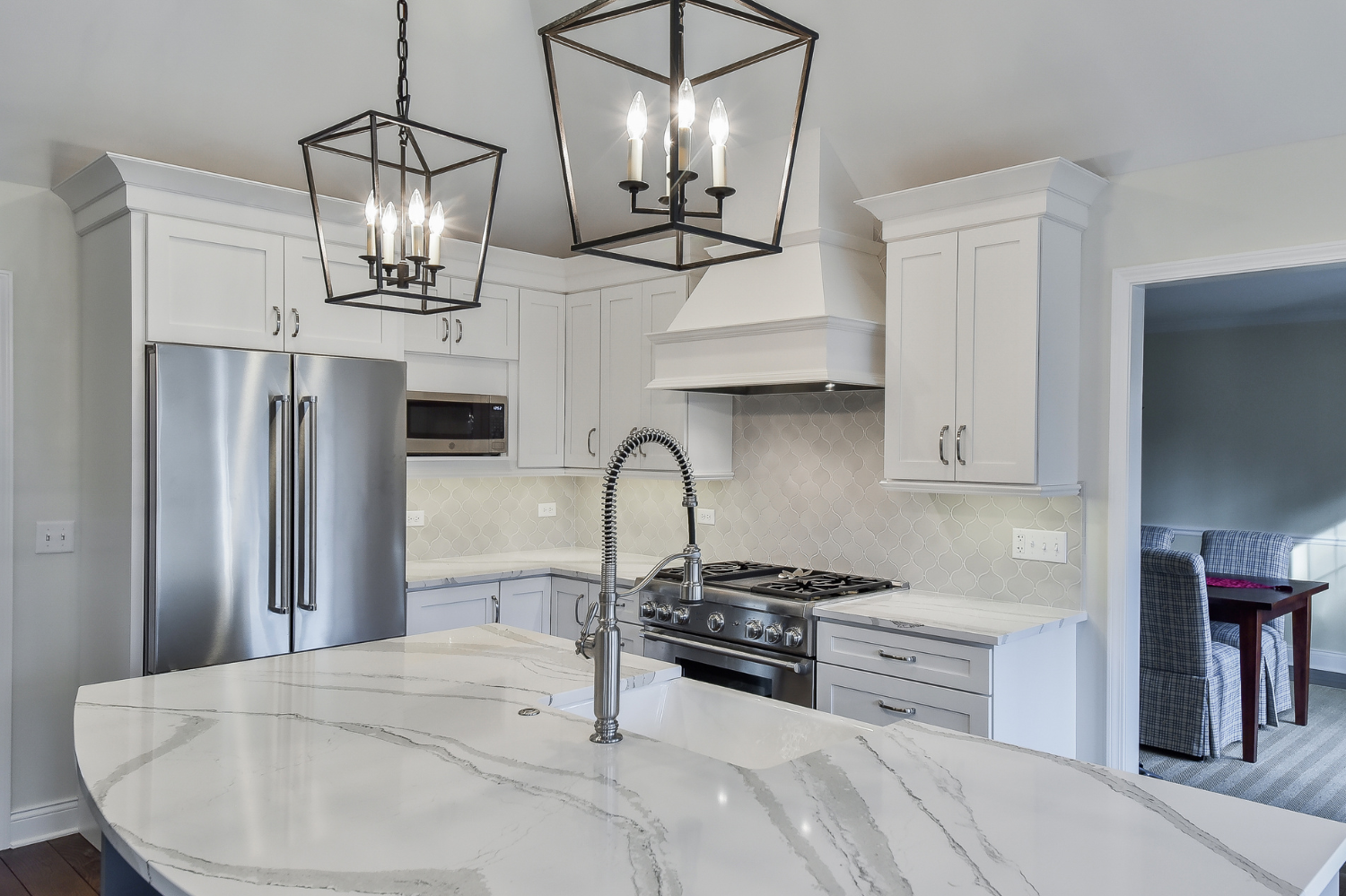
For householders who nonetheless desire a sense of enclosure however don’t need to lose openness, partial dividers provide a chic resolution. Half partitions or pony partitions can outline an entryway or eating space whereas preserving sightlines. Glass partitions, particularly steel-framed or frosted ones, have develop into more and more in style for this function. They let in mild however soften sound and provides a way of division that feels architectural slightly than obstructive.
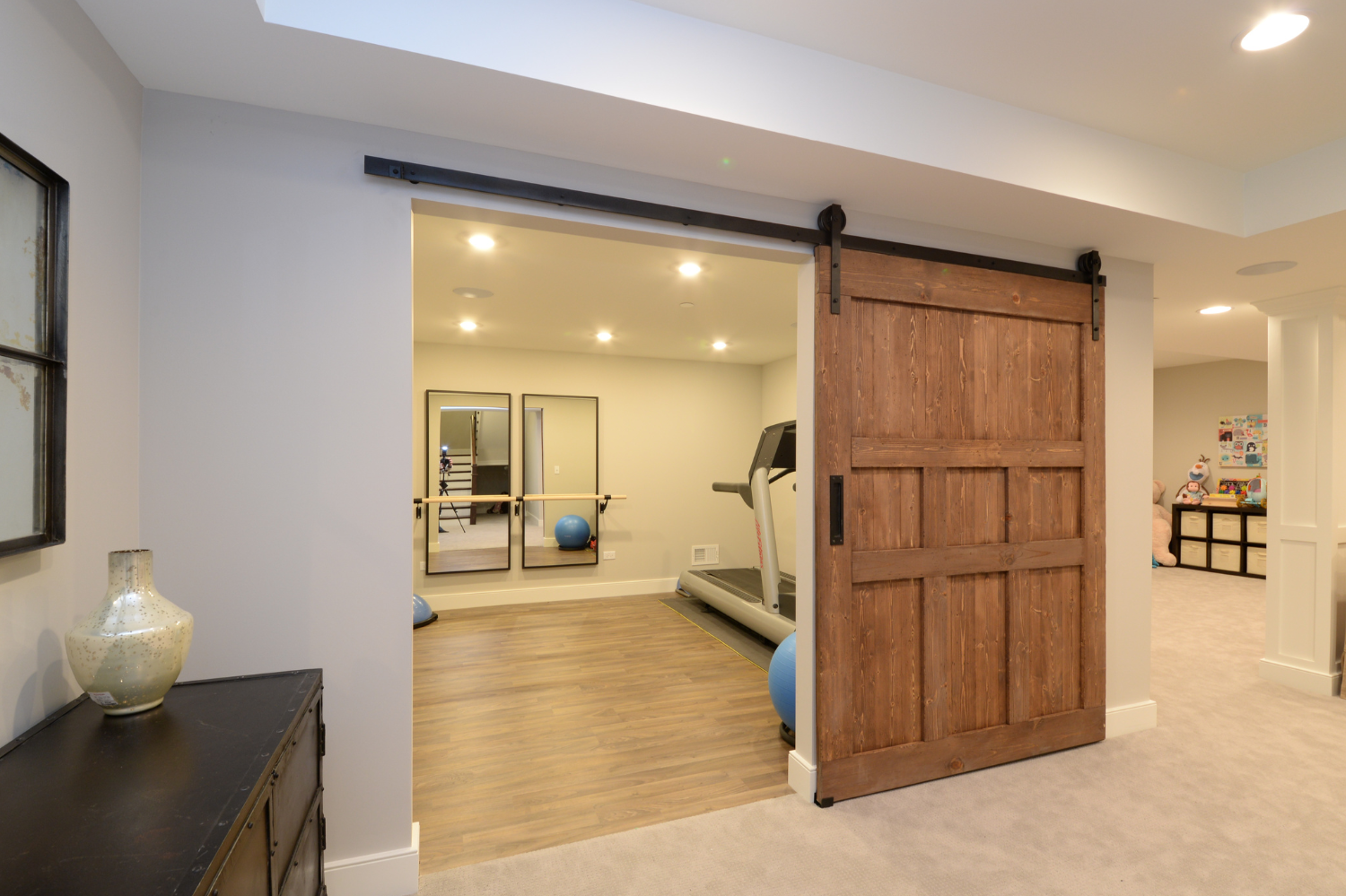
Flexibility is one other defining characteristic of Open Idea 2.0. As a substitute of mounted partitions, many trendy designs use movable dividers. Pocket doorways are excellent for this—they will slide fully out of sight when openness is desired and reappear when privateness is required. Sliding barn doorways, folding panels, and even well-designed curtains can create short-term separations with out everlasting boundaries.
This flexibility permits areas to adapt to altering wants. A household would possibly open the structure for entertaining however shut it off when somebody wants a quiet workspace. The power to modulate openness is what makes Open Idea 2.0 extra livable and forward-thinking.
Constructed-Ins That Form House
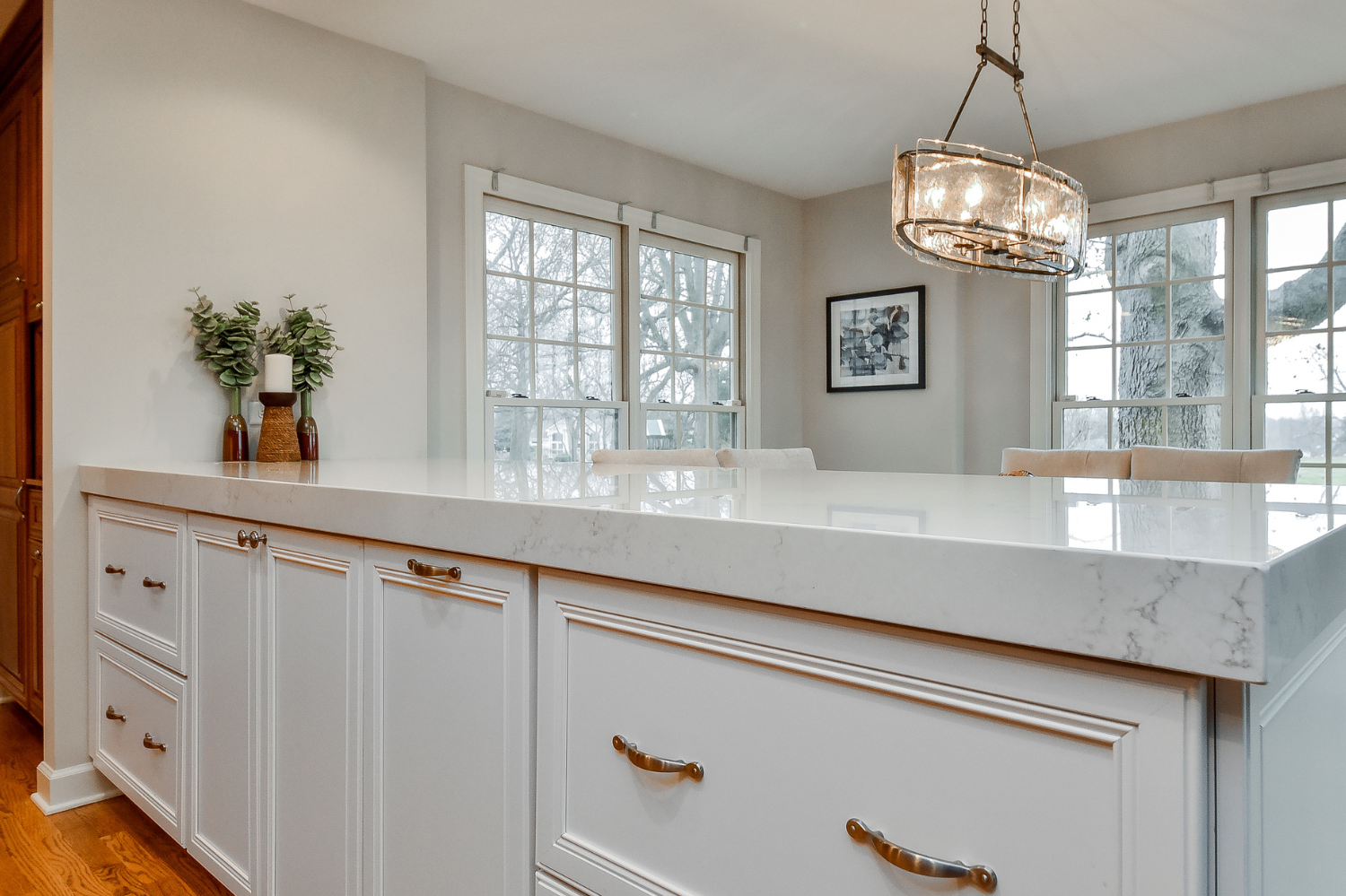
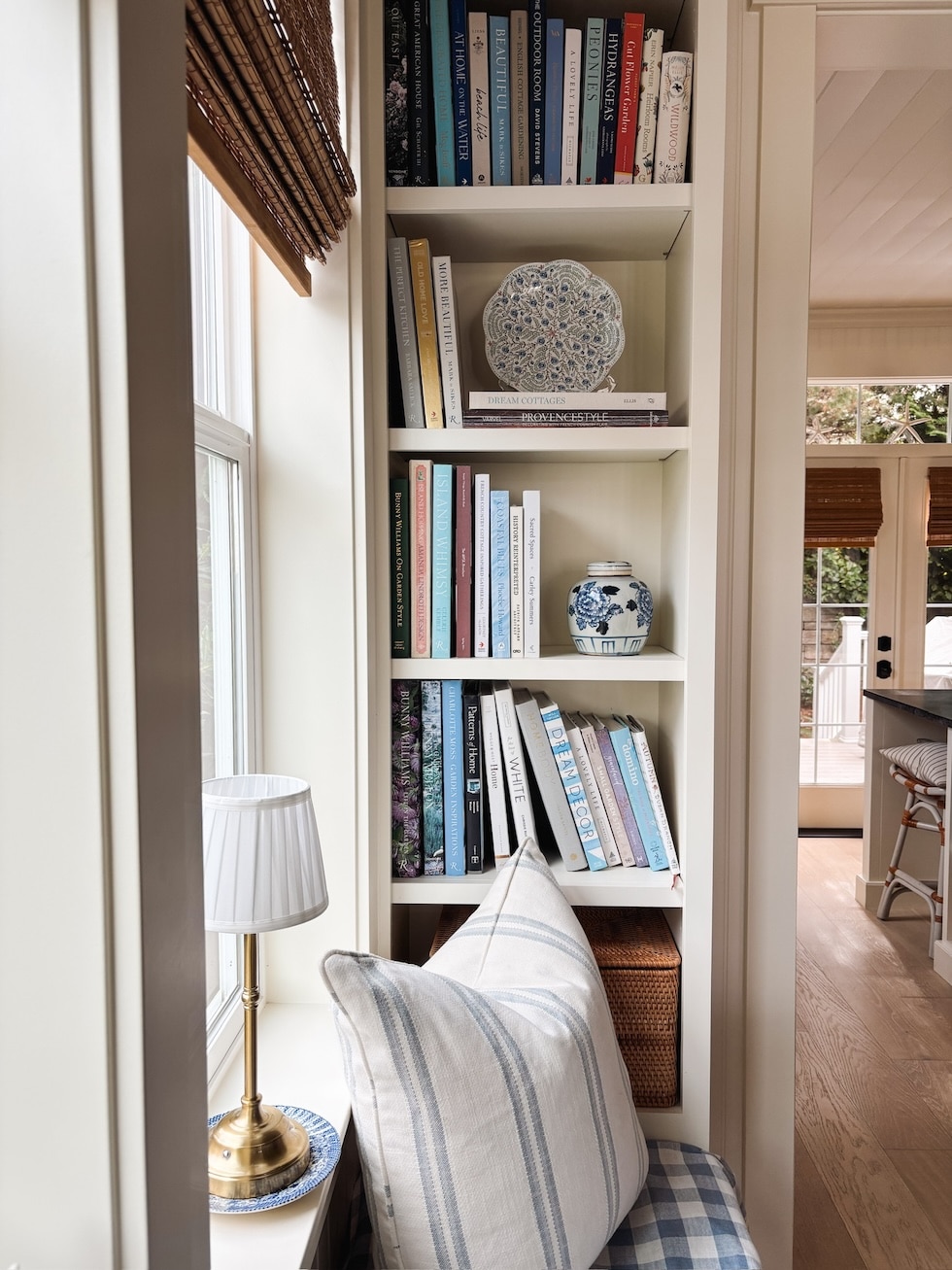
Constructed-in parts are one other refined but efficient option to set up an open plan. A built-in banquette can outline the eating space whereas maximizing seating and storage. A customized bookcase or media wall can create a visible boundary between the kitchen and dwelling zones, including each construction and performance.
By incorporating built-ins, householders can keep away from litter whereas gaining pure divisions between actions. These options convey order to open layouts and provides every space a way of function with out breaking the movement of the room.
Sustaining Cohesion Throughout Zones
Whereas defining zones is necessary, sustaining a way of unity is equally important. A profitable open structure ought to nonetheless really feel like one harmonious surroundings, not a patchwork of competing areas.
Consistency in supplies, colours, and detailing is essential. A unified shade palette with refined variations in tone can join areas visually. If the kitchen options black steel accents, those self same particulars can seem within the lighting or {hardware} within the adjoining dwelling space. Matching trim profiles, flooring transitions, and baseboards assist preserve architectural continuity.
Sightlines additionally play a giant function in cohesion. Aligning main options—like an island centered with a fire or a eating desk that strains up with a big window—creates visible concord. These alignments information the attention naturally by means of the house, reinforcing a way of intentional design.
When executed thoughtfully, these particulars make an area really feel each outlined and fluid—open sufficient for connection however cohesive sufficient for consolation.
The Missed Issue: Acoustics
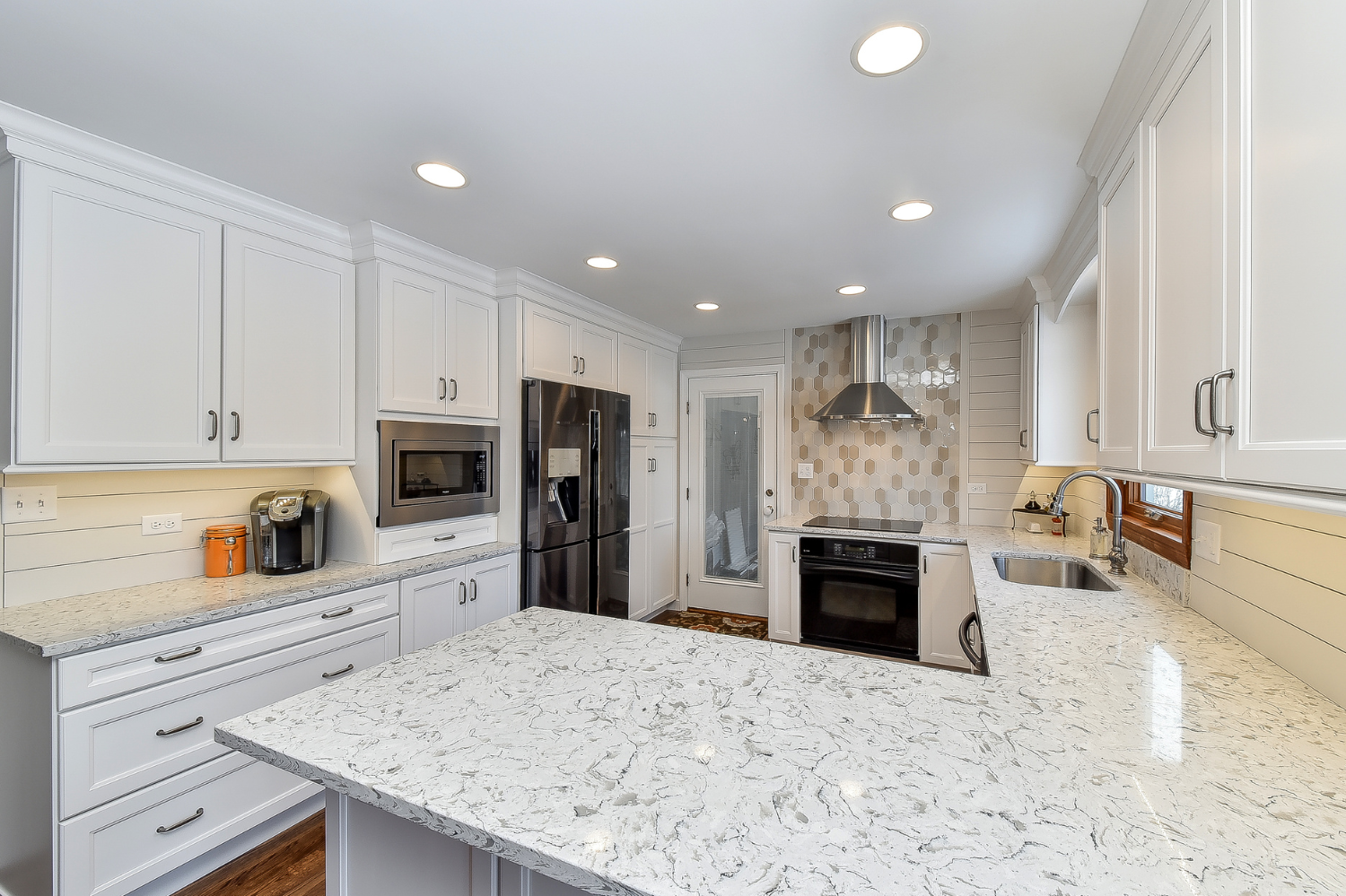
One of many greatest complaints about open-concept dwelling is noise. Sound travels simply in massive, related areas, and with out strategic planning, it may possibly make even essentially the most stunning residence really feel chaotic. Acoustic design has develop into a necessary a part of Open Idea 2.0.
To regulate sound, designers are actually layering supplies that take in slightly than mirror it. Mushy furnishings, rugs, curtains, and upholstered furnishings assist dampen echoes. Acoustic ceiling tiles or ornamental wooden slat panels can add visible texture whereas enhancing sound high quality. Even crops play a task—massive potted greenery can assist diffuse sound waves and add heat to the house.
For householders who do business from home or have youngsters studying remotely, investing in sound administration makes an amazing distinction. A visually open residence can nonetheless really feel calm and personal when acoustics are properly thought-about.
Adapting to Trendy Existence: The New Dwelling Workplace
One of the vital important impacts on residence design lately has been the rise of distant and hybrid work. Many owners now not have the luxurious of dedicating a full room to an workplace, however they nonetheless want a workspace that permits focus and privateness.
Open Idea 2.0 accommodates this with intelligent integrations. A small desk nook constructed into cabinetry or underneath a staircase can function a “micro-office.” Sliding glass partitions or acoustic panels can flip a part of an open dwelling space into a brief workspace throughout the day. Some designers even create workstation cupboards that shut up fully when the workday ends—preserving the visible calm of the house.
These adaptable work zones are a part of what makes trendy open layouts so versatile. They show that openness doesn’t should imply publicity and that considerate design could make each sq. foot multifunctional.
A Actual-World Instance
Think about a typical open structure: one massive expanse the place the kitchen, eating space, and lounge mix collectively. At first, the openness feels releasing. However over time, noise, litter, and an absence of outlined boundaries make the house really feel hectic.
An Open Idea 2.0 redesign might fully rework this surroundings. A slatted wooden divider between the kitchen and eating space provides texture and definition with out blocking mild. A two-sided hearth between the eating and dwelling zones creates a shared focus that anchors each areas. Layered lighting and space rugs outline every part, and a built-in banquette gives construction whereas encouraging intimacy throughout meals.
The house nonetheless feels ethereal and related, however every house now serves a definite operate. That’s the facility of considerate zoning—it restores consolation and calm with out sacrificing openness.
Tailoring Open Idea 2.0 to Your Dwelling’s Type
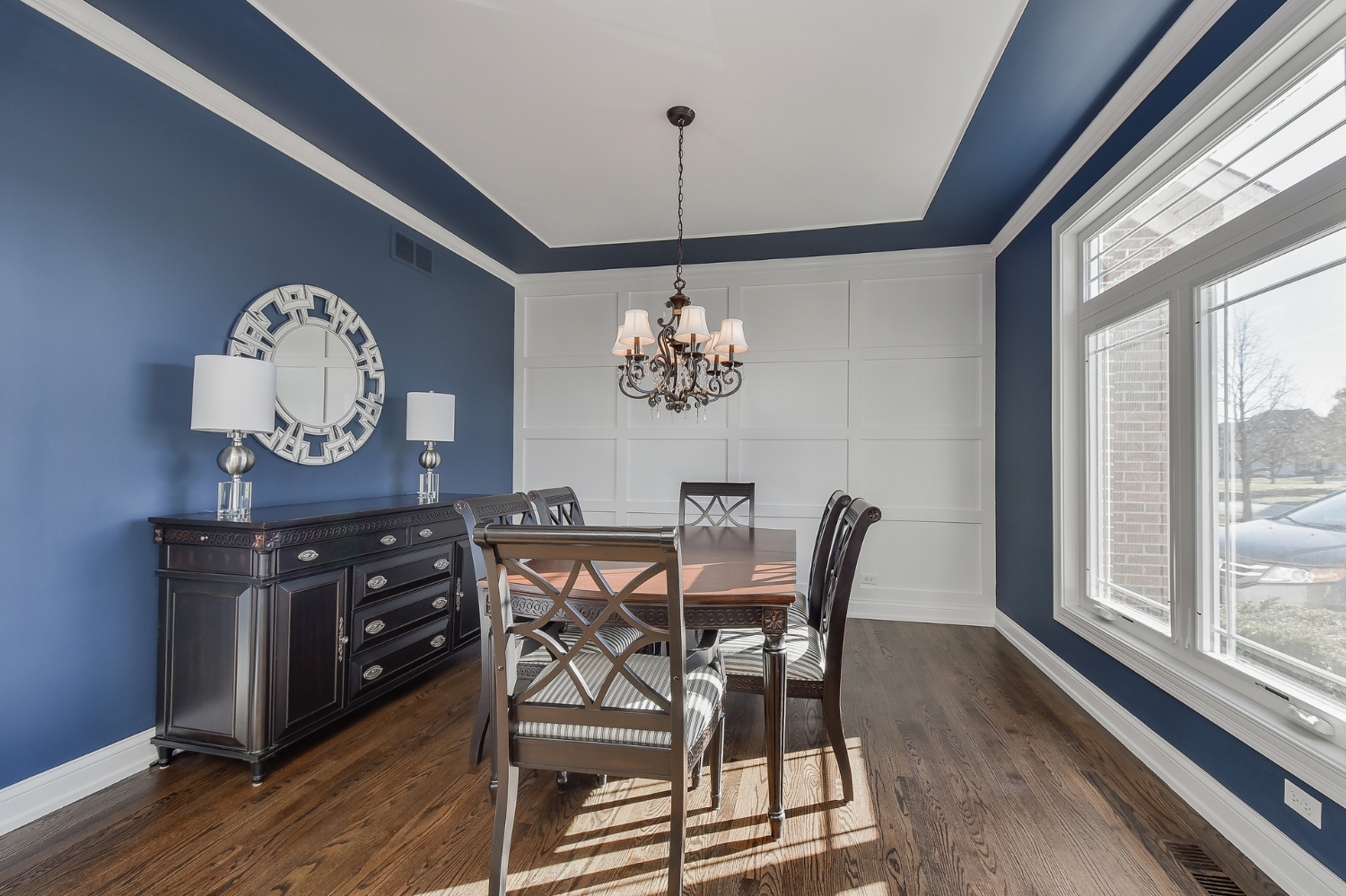
This design philosophy isn’t restricted to at least one aesthetic. It adapts superbly throughout types and architectures. In a contemporary farmhouse, as an example, half-walls clad in shiplap or uncovered wooden beams can subtly outline areas whereas protecting a country, open really feel. Transitional houses would possibly use paneled dividers or built-ins to stability conventional character with trendy movement. Modern houses typically lean on clear strains and minimalist partitions, whereas industrial areas use steel-framed glass to take care of openness with an city edge. Even in conventional houses, archways, trim detailing, and ceiling remedies can create separation with out closing areas off fully.
The bottom line is respecting the house’s architectural language whereas discovering artistic methods to outline house inside it.
The Way forward for Open Dwelling
Open Idea 2.0 represents a shift in how we take into consideration house. It’s not a rejection of openness, however an evolution of it—an acknowledgment that houses must do greater than look good; they should work for the individuals who dwell in them.
This new strategy delivers flexibility, consolation, and calm. It permits households to assemble, work, and chill out with out always colliding with one another’s noise and litter. It retains one of the best components of open design—mild, movement, and connection—whereas addressing its shortcomings.
As we proceed to dwell extra multifunctional lives, this stability between openness and privateness will solely develop into extra beneficial. Probably the most profitable houses will not be simply open—they’re intelligently open.
Last Ideas
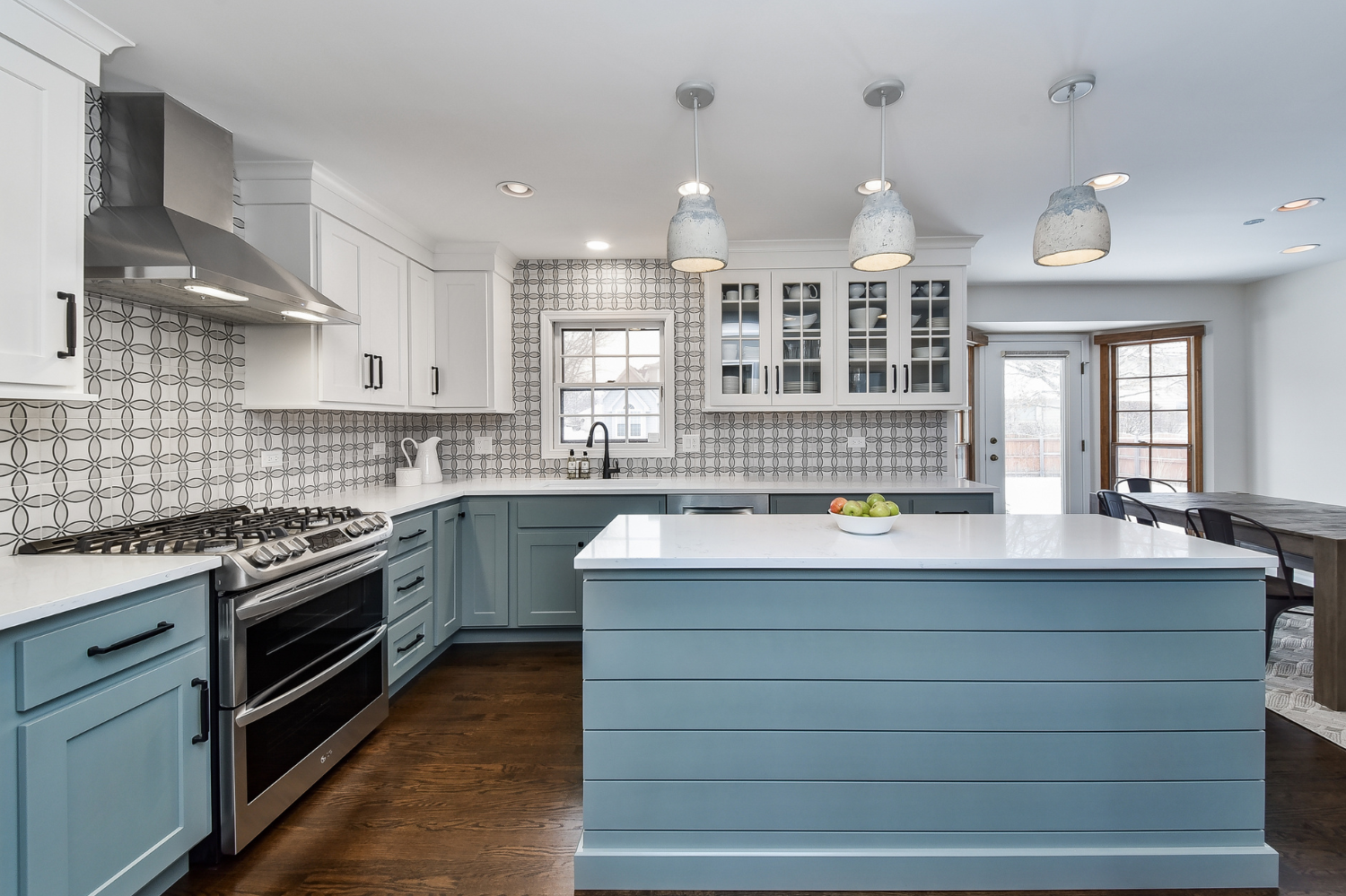
The open ground plan modified the way in which we dwell. Now, Open Idea 2.0 is altering it once more—refining openness into one thing extra considerate, versatile, and human. It’s about creating houses that breathe and join but additionally provide moments of quiet and luxury.
When you’re planning a house transform in Franklin, TN, take into account working with a design-build group that understands find out how to create areas that each movement and performance. At Sebring Design Construct, we concentrate on layouts that really feel open but outlined, vibrant but balanced. Our objective is to design houses that really match the rhythm of recent life—houses that invite connection but additionally make room for peace.
As a result of the following era of open dwelling isn’t about seeing every part—it’s about feeling at residence in all places.